Ink Stain: Creative Decorative Element
When it comes to design and visual creativity, even the smallest details can make a big difference. One such detail that has been gaining popularity among artists, designers, and creators is the ink stain. Often overlooked or considered an accident in traditional art, the ink stain is now being embraced as a creative decorative element that adds texture, mood, and character to a wide range of projects. Whether you're working on branding materials, editorial layouts, packaging, or personal art pieces, incorporating ink stains into your designs can elevate them from ordinary to extraordinary.
What Is Ink Stain? A Unique Design Element
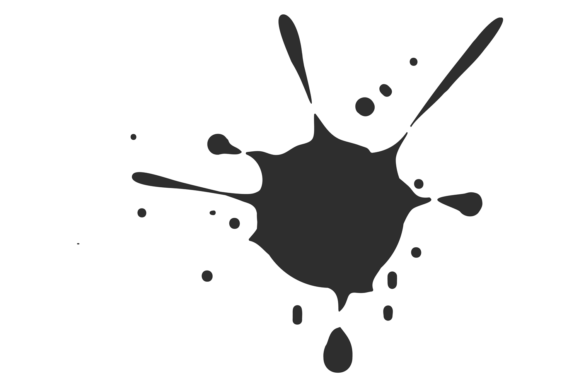
An ink stain typically refers to the accidental or intentional mark left by spilled, dripped, or smudged ink on a surface. These marks are organic, unpredictable, and often carry a sense of movement or emotion. When used as a decorative element, ink stains can evoke a raw, handcrafted feel that digital tools alone might not achieve.
The appeal of ink stains lies in their imperfection. Unlike clean lines or symmetrical patterns, they offer a natural asymmetry that feels alive. This makes them ideal for creating contrast, focal points, or background textures in both print and digital media. The availability of ink stains in formats like EPS, JPG, SVG, and transparent PNG allows for seamless integration into modern design workflows without compromising quality or versatility.
Why It Works for Modern Creativity
- Organic Aesthetic: Ink stains mimic the spontaneity of real-life artistic processes, making them perfect for handmade or vintage-style designs.
- Adaptability: They can be resized, recolored, and layered easily using vector formats like SVG and EPS.
- Visual Interest: Even simple compositions become more dynamic with the addition of an ink stain.
- Cost-Effective: Using pre-made ink stains saves time and effort compared to creating similar effects manually.
Applications Across Different Industries
From marketing collateral to educational resources, the ink stain has found its place in many creative fields. Here's how different professionals can leverage this unique decorative element:
For Designers and Artists
Designers who specialize in illustration, graphic design, or typography can use ink stains to add depth and dimension to their work. For example, placing a black splash isolated on white background can highlight a key message or serve as a subtle watermark. The irregular shapes of these stains create a sense of motion and energy, especially when paired with minimalist elements.
Consider using ink stains as:
- Background textures in posters or flyers
- Accents around logos or brand icons
- Decorative flourishes in book covers or magazine spreads
- Handwritten text enhancements for a personalized look
For Marketers and Entrepreneurs
Marketing materials benefit greatly from a touch of authenticity. An ink stain can be used to break up the rigidity of corporate designs, giving them a more human and approachable feel. This is especially effective for small businesses or startups aiming to convey creativity and innovation.
Real-world applications include:
- Email Headers: Add an ink splash behind headlines to catch attention while maintaining professionalism.
- Product Packaging: Use a transparent PNG ink stain overlay to give eco-friendly products a "handmade" vibe.
- Social Media Assets: Incorporate SVG versions of ink stains into Instagram stories or Pinterest boards to stand out visually.
- Infographics: Apply subtle ink stains as separators between sections to guide the viewer’s eye naturally.
For Bloggers and Educators
Bloggers and educators looking to enhance the visual appeal of their content can also find value in ink stains. These elements help in breaking up large blocks of text, adding a visual rhythm that improves readability and engagement.
Here’s how you can apply ink stains creatively:
- Content Dividers: Use a black splash isolated on white to separate sections in blog posts or e-books.
- Quotation Boxes: Frame pull quotes with ink stains to emphasize important messages or testimonials.
- Interactive Elements: Add ink splashes behind buttons or call-to-action prompts to make them pop without overwhelming the page.
- Learning Materials: Incorporate ink stains into worksheets or lesson plans to spark curiosity and a tactile connection.
Practical Tips for Using Ink Stains Effectively
While the idea of using ink stains may sound appealing, applying them successfully requires some thoughtful planning. Below are tips to ensure your use of ink stain. creative decorative element remains clear, effective, and impactful:
1. Balance is Key
Avoid overusing ink stains. Too many can clutter a design and reduce legibility. Instead, use them strategically—perhaps once per page or section—to draw attention where needed. Think of them as punctuation marks in your visual composition.
2. Choose the Right Format
Depending on your project, select the appropriate file format:
- EPS: Ideal for high-resolution print work and scalable editing.
- JPG: Great for web-based images where file size matters.
- SVG: Perfect for responsive web design and editable vector graphics.
- Transparent PNG: Best for overlays and digital mockups where transparency is required.
3. Match the Mood
Not all ink stains are created equal. Some have a soft, diffused look, while others are bold and dramatic. Consider the emotional tone of your message before selecting a style. A subtle, faint ink splash might complement a serene lifestyle blog, whereas a strong black splash could suit a bold startup launch.
4. Combine with Other Elements
To maximize impact, pair ink stains with other design elements like handwritten fonts, watercolor textures, or paper grain effects. This creates a cohesive aesthetic that feels intentional and polished. For instance, using a transparent PNG ink stain alongside a vintage photograph can instantly enhance the visual storytelling aspect of your layout.
5. Test in Context
Before finalizing any design, test the ink stain in various contexts. How does it look on mobile screens? Does it interfere with text readability? Will it scale well in print? These questions will help you determine whether the ink stain enhances or distracts from your overall message.
Project Ideas to Inspire Your Next Design
Still unsure how to incorporate an ink stain into your work? Here are a few project ideas to get you started:
Invitation Cards
Create elegant wedding or event invitations by using an ink splash as a border element. Its organic shape gives a romantic, artistic flair without being too busy. Pair it with serif fonts and floral accents for a timeless look.
Logo Backgrounds
Use a minimalistic black splash isolated on white as a subtle background for a logo. This technique works particularly well for brands focusing on creativity, education, or wellness. It adds a touch of sophistication without overshadowing the main brand identity.
Watercolor Illustrations
Enhance watercolor illustrations by adding ink stains around the edges or beneath figures. This mimics the natural bleed of watercolors and helps unify the piece with a consistent texture.
Business Cards
Give your business card a unique edge by incorporating an ink splash in the corner or along the spine if using double-sided printing. This small detail can leave a lasting impression and differentiate your brand from competitors.
Editorial Layouts
In magazines or newsletters, use ink stains as dividers between articles or to frame pull-out quotes. Their irregular shapes can help segment content visually, guiding the reader through the publication smoothly.
How to Source and Customize Ink Stains
With the rise of digital assets, finding the right ink stain for your project is easier than ever. Many online marketplaces offer high-quality EPS, JPG, SVG, and transparent PNG files designed specifically for creative use. Look for collections that feature variations in size, shape, and intensity to match your design needs.
Once you've selected an ink stain, consider customizing it further using design software like Adobe Illustrator or Photoshop. You can adjust opacity, color, and blend modes to fit your project's palette and style. For those working in CSS or HTML, SVG versions provide the flexibility to animate or resize dynamically across screen sizes.
Where to Find Quality Ink Stain Files
Some recommended sources include:
- Shutterstock – Offers a vast library of ink-related assets, including transparent PNGs and SVGs.
- iStock – Provides curated EPS and JPG files suitable for professional use.
- SVG PORN – A go-to site for free and open-source SVG elements, including abstract ink splashes.
Conclusion: Letting Imperfection Inspire
At its core, the ink stain is a celebration of the unexpected. It reminds us that beauty can come from flaws, and that sometimes the most compelling designs are born from a single, imperfect mark. As a creative decorative element, it serves as both a functional tool and a source of inspiration.
Whether you're designing for print or digital, the black splash isolated on white background version of ink stains can act as a powerful visual anchor. And with formats like SVG and transparent PNG available, adapting this element to your specific needs has never been simpler.
So next time you're looking to inject a little soul into your project, don’t shy away from the ink stain. Let it speak for itself, and watch how it transforms your creative output into something truly memorable.