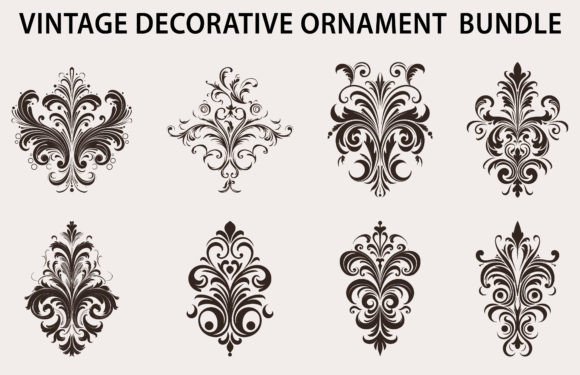
Set of Decorative Design Element Vector: A Strategic Tool for Creative Professionals
The Set of Decorative Design Element Vector is a digital design resource that offers a curated collection of ornamental and typographic elements. These vectors, available in multiple file formats such as EPS, SVG, JPG, and PNG (with transparent backgrounds), are designed to enhance visual communication across various platforms and mediums. This article explores how creative professionals can leverage this set strategically to elevate their work, streamline processes, and achieve long-term design goals.
Understanding the Set of Decorative Design Element Vector
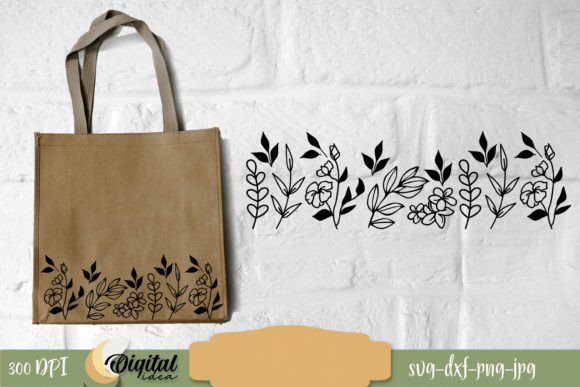
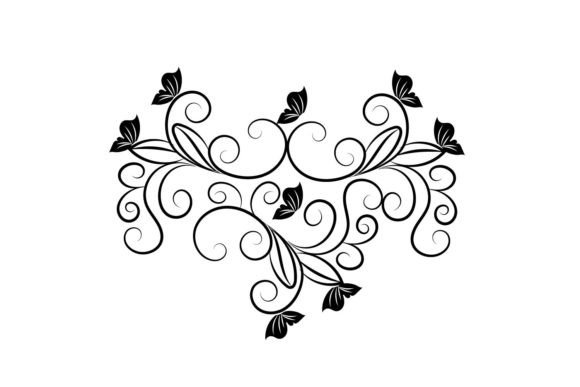
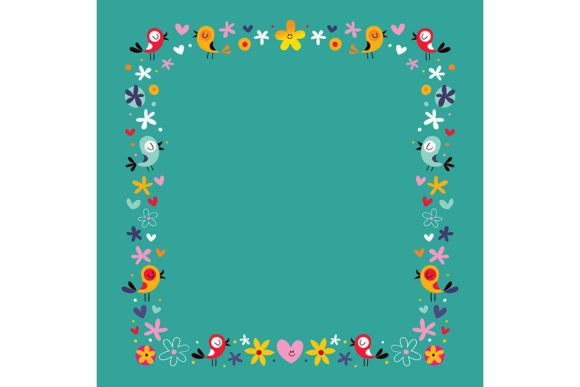
This vector bundle typically includes a range of decorative motifs such as borders, flourishes, calligraphic scripts, and vintage-style typographic elements. Each item is scalable, editable, and customizable—making it ideal for both digital and print applications. The inclusion of transparent background PNGs ensures these elements blend seamlessly into any project without the need for extra editing.
What makes the Set of Decorative Design Element Vector particularly valuable is its versatility. Whether you're designing an invitation, crafting educational materials, or enhancing branding collateral, these elements add depth and character while maintaining a professional finish. Their vintage aesthetic also appeals to niche markets looking for retro-inspired visuals, making them especially useful in industries like fashion, publishing, event planning, and lifestyle content creation.
Strategic Use Across Industries
For entrepreneurs and small business owners, the thoughtful integration of these design elements can significantly impact brand perception. Vintage typographic designs, for instance, are perfect for businesses aiming to evoke nostalgia or a timeless feel. A boutique clothing store might use calligraphic vector ornaments in their packaging to reinforce a handcrafted, artisanal identity.
Marketers and bloggers can benefit from using these vectors to create eye-catching headers, social media posts, or newsletter templates. Since each clipart is saved separately, users have the flexibility to combine or isolate components based on specific needs. For example, a travel blogger could pair a border element with a stylized "Wanderlust" text graphic to craft visually engaging blog thumbnails or promotional banners.
Educators and publishers often require consistent yet creative visuals for teaching resources and course materials. These vectors offer a practical solution by enabling quick decoration of worksheets, certificates, flashcards, and more. Their clean lines and high-resolution output ensure readability and professionalism, which are essential for educational tools.
Planning Your Design Workflow with Vectors
When incorporating the Set of Decorative Design Element Vector into your workflow, start by aligning the elements with your overall design strategy. Consider the following steps:
- Define the Purpose: Are you creating digital products, printed invitations, or marketing assets? Knowing the end goal will help you choose the most appropriate elements.
- Select Relevant Styles: Opt for design elements that match your brand’s visual identity. If your brand uses bold typography, consider the vintage typographic elements. If you lean towards minimalist aesthetics, look for subtle ornamental accents.
- Maintain Consistency: Apply the same set of vectors across all related projects to build a cohesive visual language. This reinforces brand recognition and creates a unified experience for your audience.
- Edit with Precision: Since these are vector files, take advantage of their scalability and editability. Adjust colors, sizes, and shapes to suit your exact requirements without compromising quality.
By integrating these elements thoughtfully into your design process, you can maintain a high standard of output while saving time on custom illustrations or font treatments.
Real-World Applications and Use Cases
Here are some realistic scenarios where the Set of Decorative Design Element Vector adds value:
- Digital Product Creation: Freelancers selling digital downloads (like planners or calendars) can use these vectors to decorate templates, ensuring they stand out in competitive marketplaces.
- Event Invitations: Wedding planners or event designers may utilize the vintage typographic bundles to craft elegant, personalized invites that reflect the theme of the occasion.
- Embroidery and Craft Projects: Hobbyists and makers can convert these vectors into embroidery patterns or laser-cut designs, expanding their creative possibilities beyond digital spaces.
- Sticker Sheets: Bloggers and influencers can create themed sticker sets for giveaways or merch bundles, using the included PNGs with transparent backgrounds for easy application.
Each of these applications highlights how versatile and functional the Set of Decorative Design Element Vector can be when used with intention rather than just for decoration's sake.
When and How to Use It Effectively
These design elements should not be applied randomly. Instead, use them in situations where they serve a clear purpose:
- Enhancing the visual hierarchy of a layout by drawing attention to key sections through ornamental frames or drop caps.
- Creating consistency in branding materials by reusing the same set of vectors across logos, brochures, and websites.
- Adding personality to otherwise flat or modern designs to bridge the gap between contemporary and traditional styles.
- Supporting storytelling by using vintage-type graphics to evoke historical themes or cultural references.
To approach this effectively, begin by auditing your existing design toolkit. Identify gaps where a decorative vector could improve usability or aesthetics. Then, test different combinations within your mockups before finalizing a style guide. This method ensures that the elements complement rather than clutter the design.
What to Consider Before Relying on the Set
While the Set of Decorative Design Element Vector is a powerful tool, it’s important to avoid common pitfalls. One risk is overuse—adding too many ornamental elements can distract from the core message and reduce readability. Another issue arises when the style doesn’t align with the target audience; for example, using overly intricate designs in a corporate setting may appear unprofessional.
Additionally, since this is a digital-only product, ensure your software supports the file types included (EPS, SVG, etc.). Compatibility issues can delay projects and lead to unnecessary revisions. Always review the contents of the ZIP file post-download to confirm all assets meet your technical specifications.
Long-Term Value and Branding Strategy
Investing in a well-curated vector set like the Set of Decorative Design Element Vector isn't just about short-term convenience—it's about building a sustainable design system. By having reusable components, you reduce the need for repetitive illustration work, which saves time and costs over the long term.
Moreover, these elements can become part of your brand’s signature look. When consistently used in marketing materials, website headers, and even physical merchandise, they contribute to a recognizable visual identity. This kind of intentional design helps customers associate your brand with quality and creativity, reinforcing trust and loyalty.
Consider how these vectors might evolve with your brand. Will they still fit in five years if your style changes? Choose timeless pieces that adapt well to new trends or incorporate them into layered designs so they can be updated easily.
Risks of Using Without Clear Goals
Using the Set of Decorative Design Element Vector without a defined strategy can lead to inconsistent messaging and wasted effort. For example, adding a calligraphic flourish to every section of a brochure may dilute the focus and make the document harder to navigate.
Another risk is misalignment with your brand voice. A tech startup might find vintage-style design elements incongruous with its modern, sleek image. In such cases, it’s better to either modify the vectors to match the tone or opt for alternative design solutions.
Always ask yourself: Does this element support the message? Is it enhancing user experience or merely adding visual noise? If the answer isn’t clear, reconsider its placement or purpose.
Decision-Making Guidance for Designers
Before downloading or purchasing a vector bundle, assess whether it fits your current and future design needs. Ask yourself the following questions:
- Do I need scalable graphics for both digital and print?
- Will these elements save me time compared to custom illustrations?
- Are there enough variations to avoid repetition in my projects?
- Can I easily customize the colors and shapes to match my brand palette?
If you answer yes to most of these, the Set of Decorative Design Element Vector could be a strategic asset. However, don’t treat it as a one-size-fits-all solution. Evaluate each design choice critically to ensure alignment with your broader creative and business objectives.
Maximizing Creativity and Productivity
One of the greatest advantages of this vector set is its ability to spark creativity while improving productivity. Designers often face tight deadlines and limited resources, and using pre-made but customizable elements allows for faster execution without sacrificing originality.
For example, when preparing a series of social media posts for a client, a designer might use the same base vector elements across all images but vary the color schemes or layout arrangements to keep the content fresh. This approach maintains brand coherence while reducing the time spent on each individual graphic.
Freelancers and agencies can also use this set as part of a template library. Creating standardized templates for clients with placeholder vector elements means quicker turnaround times and fewer requests for last-minute changes.
Integrating with Other Design Tools
Because the Set of Decorative Design Element Vector comes in industry-standard formats like EPS and SVG, it integrates smoothly with design tools such as Adobe Illustrator, Photoshop, and Inkscape. Educators might use these files in tutorials to demonstrate layering, masking, or scaling techniques. Meanwhile, developers working on web-based design tools can embed these vectors as reusable components in their UI kits.
It’s also worth noting that the transparent PNGs are ideal for overlaying on photographs or textured backgrounds, giving designers more freedom to experiment with compositions. This makes the set suitable for both static and interactive projects, including app interfaces, landing pages, and digital greeting cards.
Final Thoughts on Strategic Application
The Set of Decorative Design Element Vector is more than just a collection of pretty graphics—it’s a tool for intentional design. When used strategically, it supports clarity, enhances visual storytelling, and contributes to a polished brand image. However, its effectiveness depends on how well it aligns with your goals and context.
Whether you're a marketer, educator, or independent creator, consider how these vectors can streamline your workflow and add value to your outputs. Think beyond aesthetics and evaluate how each element functions within the larger design ecosystem. With careful planning and mindful application, this set can become a foundational component of your creative arsenal.