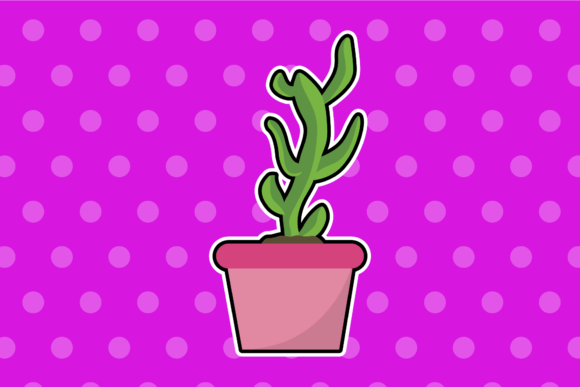
Decorative Plant Icons: Enhancing Design with Nature-Inspired Graphics
Decorative plant icons have become an essential element in modern graphic design, offering a blend of aesthetics and functionality that can elevate any visual project. Whether you're designing for digital platforms, print media, or personal use, these icons bring the beauty of nature into your creative work. In this article, we’ll explore what decorative plant icons are, their significance in design, and how to effectively use them in your projects.
What Are Decorative Plant Icons?
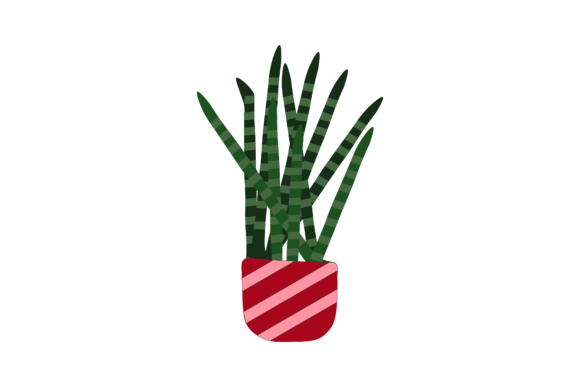
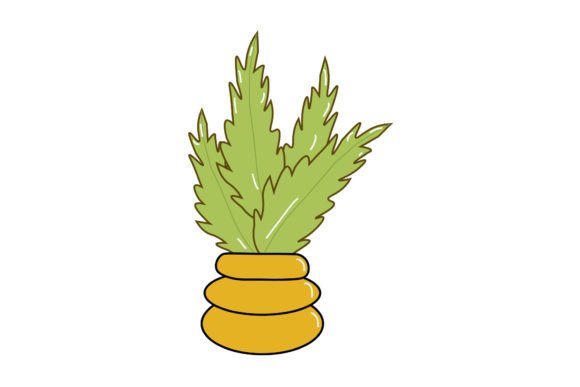
A decorative plant icon is a stylized representation of flora used primarily for visual enhancement in design. These icons often feature intricate details, such as leaves, stems, flowers, or entire plants, and are crafted to serve both artistic and practical purposes. They differ from realistic botanical illustrations by focusing more on style, symbolism, and usability within various design contexts.
The example provided includes six digital files in multiple formats (AI, EPS, SVG, DXF, JPG, PNG), all sized at 1920px X 1280px. This high-resolution canvas allows for flexibility in application, whether it's for web graphics, branding materials, social media content, or printed designs. The ZIP format ensures convenience, but users should remember they'll need to extract the files using software like Adobe Illustrator or Photoshop to edit and utilize them properly.
Purpose and Significance in Graphic Design
Plant icons are not just pretty pictures; they serve several important functions in graphic design:
- Visual Interest: Adding plant motifs can break up monotony in layouts and add depth and texture.
- Symmetry and Balance: Icon sets like the one described here can be arranged to create harmonious compositions, especially in logos or banners.
- Branding and Theme Enhancement: For businesses in industries like wellness, gardening, or eco-friendly products, plant icons help reinforce brand identity and messaging.
- Usability: In user interface (UI) design, plant icons can represent features like "grow," "renew," or "eco-friendly" in a way that’s intuitive and visually appealing.
These icons are especially popular in modern design trends that emphasize minimalism, flat design, and organic shapes. Their adaptability makes them suitable for a wide range of applications—from website headers to mobile app interfaces, greeting cards to product packaging.
Why Choose High-Resolution Files?
When working with any design, resolution plays a crucial role in the final output quality. The 1920px X 1280px canvas size ensures that the plant icon remains sharp and clear across different mediums. Whether you're printing a poster or displaying it on a high-definition screen, the clarity of the image won’t be compromised.
Moreover, having access to vector-based formats like AI, EPS, SVG, and DXF means you can scale the design infinitely without losing quality. This is particularly useful when creating assets for responsive websites or marketing materials that need to look good at every size.
How to Use Decorative Plant Icons in Your Projects
Using decorative plant icons in your design projects can be a game-changer. Here are some common ways designers incorporate them:
- Web and App UI Design: As buttons, menu items, or background elements to add a natural touch while maintaining usability.
- Printed Materials: On brochures, business cards, or posters to evoke a sense of freshness and growth.
- Illustration Work: To complement other artwork, such as animals, people, or abstract shapes, in a cohesive theme.
- Branding Elements: Incorporated into logos or social media templates to reflect sustainability or a connection to nature.
- Personal Projects: For scrapbooking, home decor, or even t-shirt prints—offering a customizable and professional finish.
For instance, if you’re creating a logo for a yoga studio, a subtle leaf icon placed beside the studio name could instantly convey tranquility and mindfulness. Similarly, in a mobile app focused on plant care, integrating plant icons into the navigation bar helps users quickly identify sections related to watering, pruning, or soil health.
Editing and Customizing Plant Icon Files
One of the key advantages of purchasing a set like the Plant Icon Decorative package is the ability to edit the files. Vector formats such as AI and EPS allow for easy resizing, recoloring, and layer adjustments, making them ideal for custom design needs.
If you're new to editing vector files, Adobe Illustrator is highly recommended. It provides full control over each element of the icon, enabling you to modify colors, outlines, and even individual components like petals or vines. Meanwhile, raster formats like JPG and PNG are perfect for quick drop-ins, especially when using tools like Canva or Photoshop for layout design.
Choosing the Right Format for Your Needs
Understanding which file format suits your project is vital for optimal results. Here’s a breakdown of the included formats and their best uses:
- AI (Adobe Illustrator): Best for editable vector work. Ideal for customizing color schemes or scaling for large prints.
- EPS (Encapsulated PostScript): Compatible with most design software. Great for cross-platform use and high-quality printing.
- SVG (Scalable Vector Graphics): Perfect for web use due to its scalability and compatibility with HTML/CSS.
- DXF (Drawing Exchange Format): Useful for CAD programs and laser cutting applications. Less common in graphic design but valuable for niche uses.
- JPG (Joint Photographic Experts Group): Suitable for photographs and complex images. Good for online presentations where transparency isn't needed.
- PNG (Portable Network Graphics): Offers lossless compression and supports transparency. Best for digital use, especially when overlaying on different backgrounds.
By providing multiple formats, the Plant Icon Decorative set gives you the freedom to use the same design across platforms, from social media posts to signage, without worrying about file limitations.
Common Misunderstandings About Decorative Icons
Despite their popularity, there are a few misconceptions surrounding decorative icons like the Plant Icon Decorative:
- They’re Only for Eco-Themed Designs: While plant icons do resonate well with green-themed brands, they can also be used creatively in fashion, lifestyle, and even tech industries to symbolize innovation and growth.
- They Don’t Need Much Attention: Just because they’re simple doesn’t mean they’re disposable. Thoughtful placement and color coordination can significantly enhance the overall design impact.
- All Formats Are Interchangeable: Each file type has specific strengths. Using a JPG in place of an SVG for a transparent overlay, for example, might result in visible edges or reduced quality.
Recognizing these points can help you make better design choices and avoid common pitfalls when incorporating plant icons into your work.
Where to Find Quality Decorative Plant Icons
There are many sources for decorative plant icons, but not all offer the same level of detail, versatility, or quality. When shopping for icons, consider the following factors:
- Resolution: Ensure the icons are high enough for your intended use, especially if you plan to print them.
- Format Options: Look for sets that include both vector and raster formats to maximize usability.
- Design Style: Match the icon style with your project’s aesthetic—whether it’s minimalist, vintage, cartoonish, or abstract.
- Licensing Terms: Verify the usage rights to ensure the icon can be used commercially if needed.
The Plant Icon Decorative package ticks all these boxes, offering a comprehensive collection ready for immediate use. And since it comes in a ZIP file, it’s a compact and organized way to store all your design assets in one place.
Practical Tips for Working with Plant Icons
To get the most out of your plant icon decorative set, here are a few tips that apply whether you're a beginner or an experienced designer:
- Use Layers: If the icon is layered in AI or PSD format, you can tweak individual parts without affecting the whole design.
- Experiment with Color: Recoloring the icon can help it match your brand palette or stand out against certain backgrounds.
- Combine with Other Elements: Pair the plant icon with text, geometric shapes, or other symbols to create unique visuals tailored to your message.
- Test on Different Backgrounds: Especially with PNG files, try placing the icon on white, black, and colored backgrounds to see how it performs in each context.
- Optimize for Web: When using JPG or PNG for online content, compress the image appropriately to reduce load times without sacrificing too much quality.
These strategies not only help you integrate the icon smoothly into your design but also allow you to personalize it for your audience and purpose.
Decorative Plant Icons in Modern Life and Business
In today’s fast-paced world, visual communication is more important than ever. Decorative plant icons play a significant role in helping businesses and individuals connect with their audiences through meaningful imagery.
Consider a coffee shop that wants to promote a new line of herbal teas. By incorporating a stylized plant icon into their promotional materials, they immediately signal to customers that the product is natural, healthy, and artisanal. Or imagine a wellness blog using a series of plant icons in its sidebar to categorize articles—each icon representing a different aspect of holistic living, such as meditation, nutrition, or fitness.
On a personal level, these icons are also widely used in hobbies like digital art, home decor, and DIY projects. A simple floral motif can transform a plain notebook into a stylish planner, while a set of vine-like icons can give a rustic charm to a wedding invitation suite.
Technology Meets Nature: Digital Uses for Plant Icons
As technology continues to evolve, so does the role of decorative elements in digital spaces. Here are some areas where plant icons are commonly used:
- Mobile Apps: Icons for plant-based apps, such as garden planners or fitness trackers, often use plant motifs to reinforce their themes.
- Websites: Used as dividers, section headers, or interactive elements in e-commerce sites, portfolios, and blogs.
- Email Templates: Adding a small plant icon next to a call-to-action button can subtly encourage engagement without being intrusive.
- Social Media: These icons can be part of cover photos, post templates, or profile badges to maintain a consistent visual identity.
The inclusion of SVG and DXF files in the Plant Icon Decorative package makes it particularly versatile for web developers and those working with automated design tools. SVGs are lightweight and responsive, while DXFs open up possibilities for physical production, such as engraved signs or embroidered patches.
Conclusion: Embrace the Power of Plant Icon Decorative Graphics
Decorative plant icons are more than just visual embellishments—they are powerful tools for storytelling, branding, and enhancing user experience. With the right set of files, like the Plant Icon Decorative package mentioned earlier, you gain the ability to customize, scale, and integrate these elements seamlessly into your creative workflow.
Whether you're a professional designer looking to streamline your asset library or a hobbyist exploring digital art, understanding the value and variety of plant icons can unlock new levels of creativity. Remember to choose formats that suit your needs, test their performance in different contexts, and always keep an eye on design harmony.
So thank you for visiting and considering this product. Have a nice time experimenting with the Plant Icon Decorative set. I hope you enjoy the design and find endless inspiration in its use. And don’t forget to follow my account for more creative resources and updates! 🌿