Aesthetic Decorative Plants Icon: A Practical Design Asset for Modern Creatives
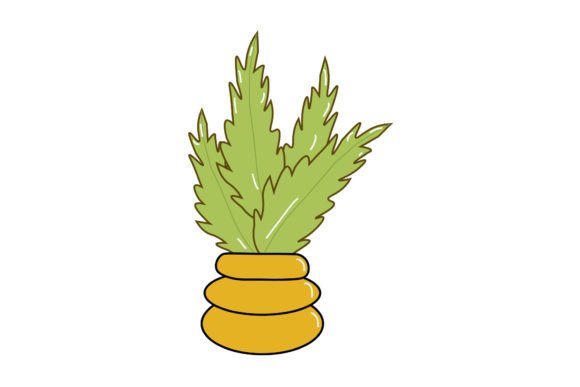
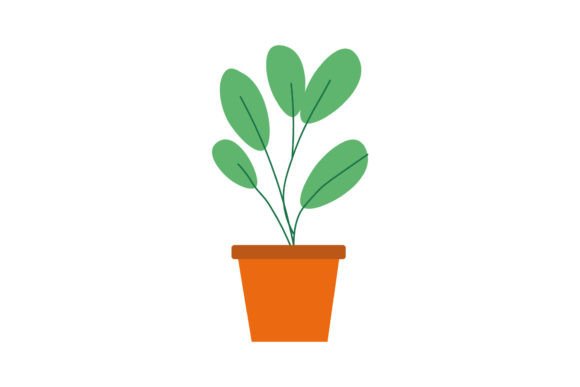
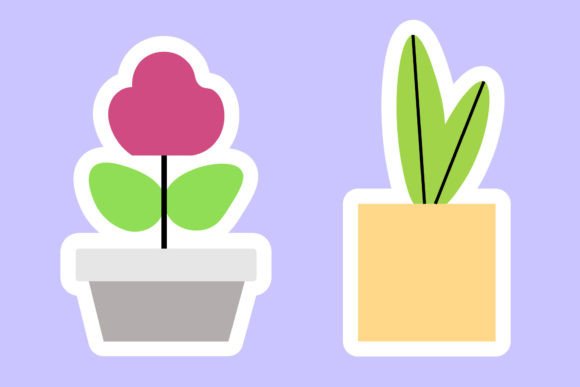
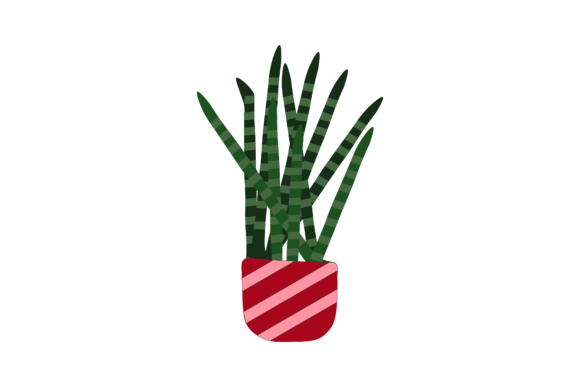
The Aesthetic Decorative Plants Icon is a versatile and visually appealing design element that can enhance the look of digital projects, print materials, branding efforts, and more. This icon set, featuring six high-resolution format files including AI, EPS, SVG, DXF, JPG, and PNG, provides professionals with the flexibility they need to incorporate greenery-inspired graphics into their workflows seamlessly. With a canvas size of 1920px X 1280px, it’s ideal for both large-scale presentations and detailed close-ups.
What Is an Aesthetic Decorative Plants Icon?
An Aesthetic Decorative Plants Icon typically refers to stylized representations of plant life used in visual design. These icons are not just illustrations; they are curated assets designed to add a touch of nature, sophistication, or creativity to user interfaces, marketing collateral, social media posts, websites, and other creative outputs. The specific set mentioned here includes multiple file types, making it suitable for a range of applications from web development to print publishing.
Key Features of the Aesthetic Decorative Plants Icon Set
- Multiple File Formats: Includes AI, EPS, SVG, DXF, JPG, and PNG for cross-platform compatibility.
- High Resolution: Designed on a 1920px X 1280px canvas, ensuring clarity across all mediums.
- Easy to Edit: Vector-based formats (AI, EPS, SVG, DXF) allow for resizing, color changes, and layer adjustments without loss of quality.
- Ready to Use: Raster formats (JPG and PNG) are optimized for quick integration into platforms like Canva, Photoshop, or PowerPoint.
Where Does It Fit in the Broader Design Process?
Incorporating decorative plant icons into your workflow depends heavily on your project's stage and purpose. Here's how you might use them effectively at different points:
Before Project Kickoff: Planning and Conceptualization
During the early stages of a design project, such as website development or branding for a wellness business, the Aesthetic Decorative Plants Icon can serve as inspiration. You may use it during brainstorming sessions or mood board creation to establish a natural, calming theme. For instance, when designing a yoga studio’s promotional materials, placing a plant icon next to key messages about tranquility or health helps communicate the intended vibe upfront.
Additionally, these icons can be used to outline placeholder areas for future graphic elements. If you're mapping out UI layouts or planning a poster design, using the plant icon as a guide ensures you allocate space appropriately for visual balance.
During Execution: Integration and Customization
Once you move into the active design phase, the vector formats of the Aesthetic Decorative Plants Icon become especially valuable. Whether you’re adjusting colors to match brand guidelines or scaling the icon for a mobile app splash screen, vector tools let you maintain crisp edges and adaptability.
Designers often layer these icons behind text or alongside other decorative elements to create depth. For example, adding a leafy plant icon beneath a product title in a lifestyle blog post can subtly reinforce themes of growth, sustainability, or organic living. In logo design, the plant icon can act as a background or accent element to symbolize renewal or connection to nature.
After Completion: Enhancing Deliverables and Brand Consistency
Post-design, the icon can be deployed to enrich final deliverables. Marketers might insert it into email templates or landing pages to evoke a sense of serenity or freshness. Educators could use it in course materials or infographics related to biology, environmental science, or interior design to make content more engaging.
One of the most effective uses is in maintaining brand consistency. By embedding the same plant icon across various touchpoints—such as social media banners, packaging labels, or presentation slides—you reinforce a cohesive visual identity. This is particularly useful for businesses in the wellness, beauty, or home decor industries where aesthetics play a crucial role.
Use Cases Across Different Industries and Projects
The Aesthetic Decorative Plants Icon isn’t limited to a single niche. Its broad appeal makes it a go-to resource for several fields:
- Interior Design: Use the icon in mood boards or client proposals to suggest botanical accents in room layouts.
- Graphic Design: Incorporate it into posters, brochures, or digital ads for eco-friendly products or services.
- Web Development: Add it to headers, buttons, or background layers to create a welcoming interface.
- Marketing & Branding: Feature it in campaigns focused on health, sustainability, or mindfulness.
- Educational Materials: Include it in slides or handouts to illustrate topics like botany, gardening, or climate change.
How It Complements Other Design Tools
This icon works well with many popular design platforms and tools. In Adobe Illustrator, the AI and EPS files enable full customization, while SVGs can be easily manipulated in CSS for responsive web designs. The DXF format is ideal for CAD software, allowing architects or product designers to integrate plant motifs into technical drawings or schematics.
If you're using online tools like Canva or Figma, the JPG and PNG files offer plug-and-play convenience. These raster versions are pre-optimized, so they load quickly and render clearly even in lower resolution settings. The ability to switch between formats means you can tailor the asset to your preferred toolset without compromising quality.
Practical Tips for Using the Icon in Your Workflow
Here are some actionable strategies to maximize the value of the Aesthetic Decorative Plants Icon:
- Start by identifying the context: Before importing the icon into your design, determine its purpose. Will it support a headline? Act as a border element? Or serve as a standalone motif? Knowing this will help you choose the right format and placement.
- Edit with care: When working in vector formats, avoid overcomplicating the design. Keep the lines clean and the colors consistent with your overall palette to maintain professionalism.
- Layer strategically: Use transparency effects or blend modes to integrate the icon with other visuals. This adds dimension without overwhelming the viewer.
- Optimize for each platform: Export the icon in the correct format for the platform you're targeting. For example, SVG is best for scalable web use, while PNG is preferable for print due to its solid transparent backgrounds.
- Organize your assets: Create a dedicated folder for this icon set in your design library. Label each file clearly based on its format and potential use case to streamline access later.
Example 1: Social Media Campaign for a Plant-Based Meal Kit Service
Preparation: Select the Aesthetic Decorative Plants Icon to align with the campaign's natural and healthy theme.
Execution: Import the SVG file into a motion graphics tool like After Effects to animate the icon gently swaying for video thumbnails.
Outcome: The animated icon draws attention to the brand’s commitment to nature and nutrition, improving engagement and click-through rates.
Example 2: Packaging Design for a Luxury Candle Brand
Preparation: Choose a minimalist version of the plant icon to reflect the brand’s sophisticated image.
Execution: Open the AI file in Illustrator, recolor the leaves to match the candle’s scent (e.g., mint green for peppermint candles), and place it subtly near the product name.
Outcome: The design becomes more cohesive and memorable, supporting the brand’s aesthetic-driven marketing strategy.
Example 3: Website Redesign for a Sustainable Fashion Store
Preparation: Use the plant icon as part of the site’s header to emphasize eco-conscious values.
Execution: Convert the SVG to inline code and apply hover animations to engage users as they scroll through the homepage.
Outcome: The redesign feels modern and aligned with the brand message, potentially increasing time spent on the site and customer trust.
Factors to Consider for Long-Term Use
When integrating the Aesthetic Decorative Plants Icon into your work, keep the following considerations in mind to ensure efficiency and consistency:
- Preparation: Always back up original files before editing. This allows you to return to a clean version if needed.
- Compatibility: Test the icon in different platforms and devices to confirm it displays correctly across all environments.
- Usability: Simplify the icon when necessary—especially for smaller screens or low-resolution displays—to preserve readability.
- Organization: Group similar icons together in your asset library. This helps reduce clutter and speeds up the design process.
- Efficiency: Use the PNG or JPG files for quick edits in non-vector software like Photoshop or GIMP. Save vector versions for scalability and reusability.
- Consistency: Apply the same styling (colors, sizing, spacing) across all instances of the icon in your project to maintain a professional appearance.
- Quality Control: Review the icon after export to check for any distortion or misalignment. A small detail can impact the overall perception of your work.
- Long-Term Use: Archive the original files and include documentation on how the icon was modified. This helps with revisions and updates down the line.
Why This Icon Matters in Today’s Creative Landscape
As design trends increasingly favor organic shapes, muted tones, and nature-inspired elements, the Aesthetic Decorative Plants Icon serves as a timely and relevant addition to your toolkit. Whether you're aiming to build trust with eco-conscious consumers or simply looking to add visual warmth to your projects, this icon bridges the gap between artistry and functionality.
Its adaptability across formats also makes it a practical choice for teams working in collaborative environments. Graphic designers can tweak the AI file while developers can implement the SVG directly into code, minimizing back-and-forth and reducing production delays.
Final Thoughts on Implementation
Integrating the Aesthetic Decorative Plants Icon into your workflow doesn't require a complete overhaul of your current methods. Instead, treat it as a supplementary asset that enhances your existing designs. Start by identifying one or two projects where the icon would naturally fit, then expand its use as you see results.
With proper planning and execution, this icon can elevate your creative output, streamline your design process, and contribute to a more polished, professional finish. As you explore its possibilities, remember to stay true to your brand’s voice and the needs of your audience. The goal is always to serve the message—not just the medium.
⬇️ Download FreeFree download · No sign-up required🔗 You Might Also Like
IconsMandala Decorative Flower Icon Set Thank you for visiting my product Have A Nice...IconsDecorative Plants Cute Pots Kawai Icon Thank you for visiting my product -WHAT Y...IconsCute Decorative Plants Icon Thank you for visiting my product -WHAT YOU GET- 6x ...IconsDecorative Garden Plants Icon Thank you for visiting my product -WHAT YOU GET- –...IconsMandala Decorative Abstrac Icon Thank you for visiting my product Have A Nice Ti...