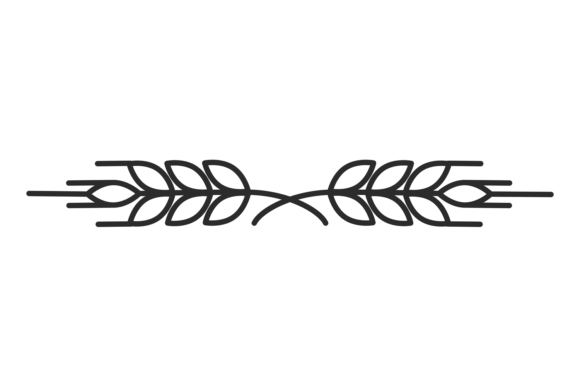
Grain Ears Decorative Border for Agricultural Design Projects
When it comes to crafting visuals that resonate with the themes of nature, sustainability, and rural heritage, the Grain Ears Decorative Border offers a compelling design solution. This intricate border element—often inspired by the organic shapes of wheat, barley, or corn—adds authenticity and visual interest to a wide range of creative assets. From logos and marketing materials to website headers and packaging, this motif can help communicate agricultural values in a clean, professional way.
Why Grain Ears Borders Matter in Visual Design
In modern graphic design, symbols rooted in agriculture are powerful tools for storytelling. The grain ear, as a timeless emblem of growth and harvest, conveys messages of fertility, tradition, and food production. When used as a decorative border, it frames content with meaning, making it especially useful in branding for farming businesses, eco-friendly products, or artisanal food labels.
Designers often seek elements that enhance visual hierarchy while maintaining a natural aesthetic. A well-placed grain ears border can guide the viewer’s eye, separate sections in layouts, or highlight key information without overwhelming the composition. Its versatility makes it a valuable asset in both print and digital environments.
Applications Across Creative Industries
- Branding and Logo Design: Incorporate a subtle grain ears border into brand logos to emphasize an earthy or rustic identity. It works particularly well for farm-to-table restaurants, organic product lines, or agritourism ventures.
- Marketing Materials: Use the border on brochures, posters, and flyers to reinforce the connection between the brand and its agricultural roots. It adds a professional touch that aligns with eco-conscious messaging.
- Social Media Graphics: Frame Instagram posts, Facebook banners, or Pinterest pins with a grain ears border to maintain a cohesive theme across platforms, especially during seasonal campaigns like harvest festivals or planting seasons.
- Web and UI/UX Design: Apply the border around hero sections, call-to-action buttons, or infographics to create a soft, welcoming atmosphere that appeals to users interested in sustainable living or rural lifestyles.
- Editorial Layouts: In magazines or newsletters focused on farming, gardening, or environmental topics, these borders help establish a thematic consistency that supports the editorial tone.
- Packaging Design: Whether it's for grains, baked goods, or farm-fresh produce, a grain ears border can elevate the visual appeal of packaging while reinforcing the product’s origin and quality.
Choosing the Right Format for Your Project
To ensure flexibility and scalability, look for Grain Ears Decorative Border assets available in formats like EPS, JPG, SVG, and transparent PNG. Each format serves a different purpose depending on your workflow:
- EPS (Encapsulated PostScript): Ideal for print projects and vector editing. Maintains crisp edges at any size.
- SVG (Scalable Vector Graphics): Perfect for web use and responsive designs. Allows for easy customization in CSS or design software.
- Transparent PNG: Great for overlaying on various backgrounds. Preserves high-quality details and ensures seamless integration into layered compositions.
- JPG: Suitable for standard digital use where transparency isn’t necessary. Offers a balance between quality and file size.
High-resolution versions are essential when working with large-format prints or high-density screens, ensuring your final output remains sharp and impactful.
Design Tips for Effective Use
When integrating a grain ears border into your project, consider how it interacts with other design components:
- Maintain Consistency: Match the border style with your overall brand palette and typography. Avoid overcomplicating the layout if you're already using rich textures or patterns.
- Balance Readability and Aesthetics: Ensure that the border doesn't obscure important text or imagery. Keep the main message clear and centered within the frame.
- Optimize for Scalability: Test the border at various sizes before finalizing. Vector-based formats like SVG and EPS will scale better than raster images.
- Use Sparingly for Impact: While grain ears borders add charm, overuse can dilute their effectiveness. Reserve them for key areas such as headers, footers, or special promotions.
Pairing the border with complementary colors—like muted greens, warm browns, or golden yellows—can enhance the natural feel and make the design more inviting. For a contemporary twist, experiment with monochrome variations or integrate the border subtly into background elements.
Whether you're designing for a local farm cooperative or a global agri-tech company, the right decorative border can help tell your story visually. Thoughtful use of such assets not only elevates the aesthetics of your work but also strengthens your message, making it more memorable and meaningful to your audience.