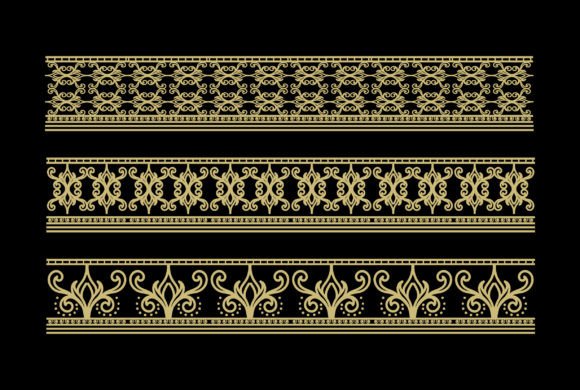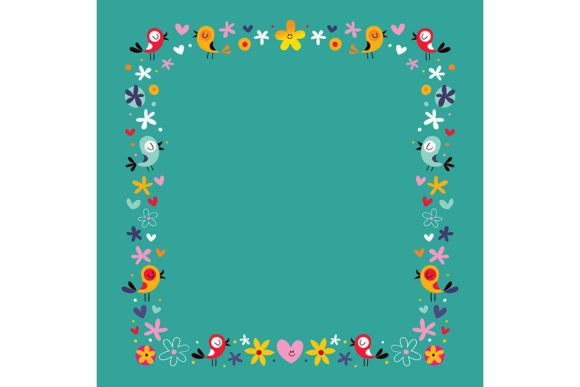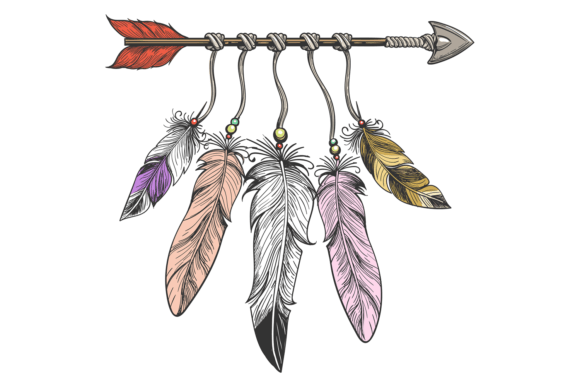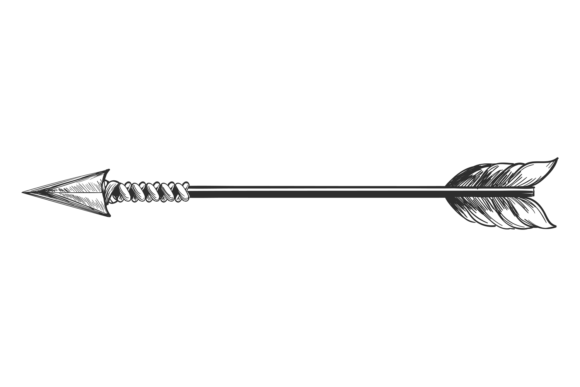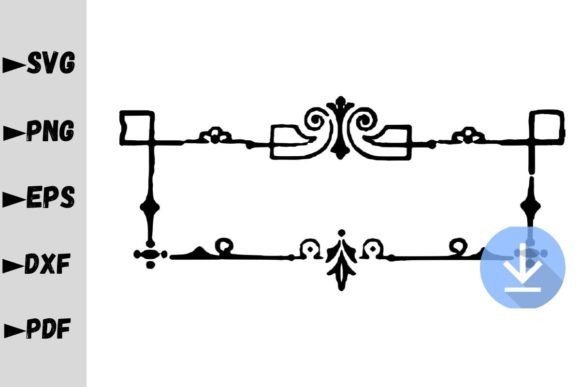
Decorative Border SVG Design Element
Decorative borders are a powerful design element that can transform the visual appeal of any project. When crafted as an SVG (Scalable Vector Graphics) file, these borders offer flexibility, scalability, and precision—making them ideal for digital creators across multiple industries. Whether you're designing a website, creating social media content, or working on print materials, a Decorative Border SVG, Design Element provides an elegant way to frame your work while maintaining a professional and artistic edge.
What Makes Decorative Border SVGs Unique?
A Decorative Border SVG is more than just a line around an image or text—it's a dynamic component that adds depth, character, and style. Unlike raster images, SVG files are vector-based, meaning they scale perfectly without losing quality. This makes them especially useful for designers who need high-resolution graphics for both digital and print applications.
SVG borders can be customized in countless ways. You can adjust colors, stroke widths, transparency, and even animate them using CSS or JavaScript. These features allow you to maintain brand consistency while standing out with unique visual flair.
The beauty of using an SVG format lies in its adaptability. A single border design can serve as the base for a logo outline, a page divider in web layouts, or a background detail in app interfaces. It’s this versatility that has made Decorative Border SVG, Design Element a favorite among creative professionals.
Creative Possibilities with Decorative Borders
When it comes to design, the possibilities with decorative borders are nearly endless. Here are some innovative ways to use them:
- Websites and Blogs: Use SVG borders to highlight sections of your site, such as featured posts, testimonials, or call-to-action boxes. They help guide the viewer’s eye and add structure without overwhelming the layout.
- Social Media Graphics: Frame quotes, announcements, or promotional content with a custom SVG border. This not only enhances the aesthetics but also helps maintain a cohesive theme across your platforms.
- Print Materials: From invitations to brochures, SVG borders can give your printed designs a polished and sophisticated look. The crisp lines and scalable nature ensure clarity at any size.
- App and UI Design: Incorporate subtle SVG borders into buttons, cards, or menus to enhance usability and visual hierarchy without cluttering the interface.
- Business Cards and Logos: Add an ornamental touch to your branding elements. An SVG border can reflect your brand personality while ensuring clean, professional output.
Ornament SVG: Elevating Simplicity
An Ornament SVG is a type of Decorative Border SVG, Design Element that brings intricate details to otherwise simple designs. Think of delicate patterns like floral motifs, geometric shapes, or classic scrollwork. These SVGs are perfect for those looking to inject a sense of tradition or elegance into their projects.
For instance, educators might use ornament SVGs to create visually engaging certificates or learning materials. Similarly, marketers could incorporate them into holiday-themed promotions or product packaging to evoke warmth and festivity.
Flourish SVG: Adding Flow and Movement
Flourish SVGs introduce a sense of motion and grace into design compositions. Often used in editorial layouts, illustrations, and greeting cards, they provide a soft yet impactful way to draw attention to specific areas.
If you’re designing a blog post about wellness or lifestyle, a Flourishe SVG border can subtly reinforce the theme by adding a natural, flowing feel. Freelancers in the creative field can also use these elements to make their portfolios stand out with hand-drawn-like touches.
Arrow SVG: Direction and Emphasis
While arrows may seem like a basic design tool, when rendered as an Arrow SVG, they become a versatile part of your design arsenal. Arrows can direct user attention, indicate navigation, or simply add directional interest to your layout.
Web developers often use arrow SVGs in interactive menus or hover effects. For entrepreneurs, incorporating a stylized arrow border into infographics or presentations can help emphasize key points or transitions between ideas.
Adapting SVG Borders for Different Audiences and Goals
Designers, marketers, and hobbyists alike can benefit from SVG borders tailored to their needs. Let’s explore how different users might approach these elements:
For Marketers and Entrepreneurs
Marketing professionals need visuals that communicate quickly and clearly. A Decorative Border SVG, Design Element can act as a silent salesperson, drawing attention to offers, calls to action, or product highlights. Consider using minimalist SVG borders for modern branding or ornate ones for luxury goods.
Entrepreneurs can integrate SVG borders into landing pages, email templates, or promotional banners. For example, a small business owner launching a new product could use a transparent PNG version of the border in Instagram Stories to showcase the item against a clean background.
For Bloggers and Educators
Blogger and educators often rely on consistent formatting to keep readers engaged. A well-designed SVG border can separate content blocks, highlight important information, or frame educational materials like charts and diagrams.
Imagine a teacher using a Flourishe SVG to frame student achievements on a class website or a blogger wrapping a quote in an ornamental border to set it apart from the rest of the article. These small touches significantly improve readability and visual appeal.
For Web Developers and UX Designers
Web developers appreciate the efficiency and responsiveness of SVG borders. They can be easily manipulated via code, allowing for dynamic resizing, color changes, or animations. This is particularly valuable when designing responsive websites where borders must adapt to different screen sizes.
UX designers might use Border SVG to define card components, separators, or modal windows. By choosing a subtle, repeating pattern, they can maintain visual continuity without distracting the user experience.
For Hobbyists and Creatives
Hobbyists love SVG borders because they open up a world of DIY creativity. Whether you're crafting digital art, designing a personal website, or making printable items for friends, an SVG border gives you the freedom to experiment with style and form.
Try combining a Flourishe SVG with a custom font for a personalized invitation design. Or layer multiple Ornament SVGs to create a richly detailed background for a scrapbook layout. The options are limited only by your imagination.
Choosing the Right Format for Your Project
When you receive a Decorative Border SVG, Design Element, you’ll have access to several formats: SVG File, Transparent PNG, EPS, DXF, and PDF. Each serves a unique purpose depending on your workflow and platform:
- SVG File: Ideal for digital use cases where scalability and customization are key. Perfect for web and app development.
- Transparent PNG: Great for quick integration into photo editing software or social media tools where vector support is limited.
- EPS: Preferred by print designers for high-quality outputs in Adobe Illustrator or other vector editors.
- DXF: Useful for laser cutting, engraving, or architectural drawings, giving makers and manufacturers precise control over physical designs.
- PDF: Provides a ready-to-use format for sharing or printing, retaining all vector qualities for sharp results.
Regardless of which format you choose, remember that SVG borders are digital assets. No physical item will be sent, so focus on how each format aligns with your end goal. Need something editable? Go with SVG or EPS. Want to embed directly into a webpage? SVG is the best choice. Looking for a static image for print? Transparent PNG or PDF works well.
Practical Tips for Using SVG Borders Effectively
Here are a few grounded tips to get the most out of your Decorative Border SVG, Design Element:
- Match the Tone: Choose a border style that complements your content. A bold, animated SVG border may clash with a minimalist blog, while a subtle line might not do justice to a vibrant poster.
- Stay Consistent: If you're using multiple SVG elements, ensure they follow the same color scheme or aesthetic language to maintain harmony in your design.
- Use Layers Wisely: Don’t overload your design with too many borders or patterns. Keep it clean by using one or two accent borders per layout.
- Test Across Platforms: Always preview how your SVG border looks on different devices and backgrounds. What looks great on desktop might appear off on mobile if not optimized properly.
- Optimize File Size: For web use, simplify paths and avoid unnecessary complexity in the SVG to reduce loading times and ensure smooth performance.
Real-World Inspiration
Let’s look at a few real-world examples of how SVG borders can be applied creatively:
- Portfolio Websites: A freelance designer might wrap their contact section in a Flourishe SVG border to signal a transition and add a personal touch.
- Newsletter Headers: A marketer could place a repeating Ornament SVG along the top of a newsletter header to create a thematic frame that reinforces brand identity.
- E-commerce Product Pages: Online retailers might use a subtle Arrow SVG border around a “Limited Time Offer” box to guide customers toward a purchase decision.
- Printed Invitations: Wedding planners or event designers often use elegant SVG borders in PDF format to craft bespoke, memorable invitations with a timeless look.
Where to Apply Your Decorative Border SVG
Here are some common use cases across various fields:
- Graphic Design: Frame logos, badges, or icons with a stylish SVG border to elevate their presentation.
- Web Development: Use Border SVG in CSS to animate dividers or section headers, enhancing interactivity without sacrificing performance.
- Content Creation: Wrap quotes or captions in a Flourishe SVG to make them pop visually on blogs, newsletters, or video thumbnails.
- Interior Design: Convert SVG borders into DXF files for laser-cutting wall art or signage with intricate patterns.
- Education: Create visually distinct learning modules by framing each section with a different Ornament SVG to help students navigate content more easily.
Organizing Your Workflow with SVG Elements
Working with SVG borders becomes more efficient when you organize your assets and processes. Store your SVG files in a centralized folder, name them descriptively (e.g., "floral-border-1.svg"), and consider using version control if you're making frequent edits.
Also, don’t forget to document your choices. If you’re collaborating with others or reusing elements later, knowing why you selected a particular border style can streamline future projects and maintain design consistency.
Conclusion: Make Every Edge Count
Incorporating a Decorative Border SVG, Design Element into your projects isn't just about aesthetics—it's about intentionality. These elements help define spaces, highlight content, and create a visual rhythm that enhances the overall experience for your audience.
Whether you're a seasoned designer or someone exploring SVG for the first time, experimenting with different styles and applications can lead to surprising and rewarding outcomes. Start small, test variations, and let your creativity evolve with every border you place.
⬇️ Download FreeFree download · No sign-up required🔗 You Might Also Like
CraftsElegant Rectangle Seamless Golden Decorative Beauty Royal Border Frame Ornament ...Craftsbirds and flowers nature decorative border 1 Zipped file with - EPS File Illustr...CraftsTree branch decorative element. Stylized plant foliage isolated on white backgro...CraftsBohemian arrow and feather decorative tribal color drawing isolated on white bac...CraftsDecorative arrow sketch. Bohemian style design divider isolated on white backgro...