Enhancing Visual Appeal: The Role of Decorative Element with Hanging Balloons in Modern Design
In the ever-evolving world of design and marketing, visual elements play a crucial role in capturing attention and conveying messages effectively. One such element that has gained popularity across various industries is the Decorative Element with Hanging Balloons. This versatile design feature is more than just a whimsical addition; it serves as a strategic tool for branding, engagement, and aesthetic enhancement. From greeting cards to posters, banners, leaflets, and brochures, this element is being embraced by professionals, creators, entrepreneurs, marketers, freelancers, and enthusiasts alike.
What Is a Decorative Element with Hanging Balloons?
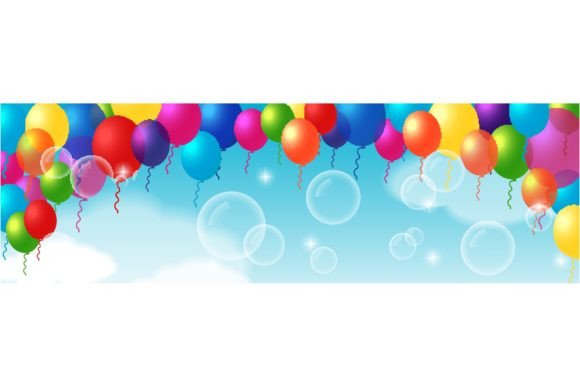
A Decorative Element with Hanging Balloons refers to the use of balloons—either illustrated or actual—in a hanging formation to create visual interest and thematic appeal in a design. These can be stylized, minimalist, or richly detailed, depending on the context and purpose. In digital formats like greeting cards or posters, hanging balloons are often used to draw the eye toward key information or to add a sense of movement and celebration. When applied physically, such as in event banners or promotional displays, they contribute to an immersive atmosphere that enhances brand visibility and customer experience.
This design element is not limited to one industry or medium. It's adaptable, making it a valuable asset for anyone looking to elevate their creative output. Whether you're designing a birthday invitation or crafting a promotional banner for a retail store, understanding how to incorporate hanging balloons thoughtfully can make a significant difference in your final product.
The Broader Industry and Market Trends
As businesses and individuals seek innovative ways to stand out in a crowded market, the demand for unique and engaging design elements continues to rise. The Decorative Element with Hanging Balloons aligns perfectly with several current trends:
- Experiential Marketing: Brands are increasingly focusing on creating memorable experiences for consumers. Hanging balloons in event banners or promotional materials help set the tone and enhance the sensory environment.
- Minimalist Aesthetics: While balloons are inherently playful, modern designers have found ways to integrate them into clean, minimal layouts without overwhelming the composition. This subtle approach resonates with audiences who appreciate understated elegance.
- Customization and Personalization: Consumers today expect tailored experiences. Using hanging balloons as part of greeting card designs allows for customization based on the occasion or recipient, adding a personal touch that builds emotional connections.
- Sustainable and Reusable Materials: In physical applications, lightweight and reusable balloon structures are being developed to support eco-conscious events and promotions, meeting the growing need for responsible design choices.
These trends highlight why the Decorative Element with Hanging Balloons isn't just a passing fad—it’s becoming a staple in creative workflows where aesthetics and engagement intersect.
Why People Are Paying Attention
The increasing focus on visual storytelling and emotional branding has made decorative elements like hanging balloons more relevant than ever. Here are some reasons why professionals and creatives are taking notice:
- Attention-Grabbing: Balloons naturally catch the eye due to their bright colors and dynamic shapes. When arranged in a hanging format, they guide the viewer’s gaze and emphasize important content areas.
- Versatility Across Occasions: From birthdays and weddings to corporate events and product launches, hanging balloons can be adapted to suit a wide range of themes and moods. Their universal appeal makes them a go-to choice for many designers.
- Cost-Effective Enhancement: Compared to other embellishments, balloons are relatively inexpensive and easy to work with, both digitally and physically. They offer a high impact without requiring a large budget, which is especially appealing to small businesses and startups.
- Symbolism and Sentiment: Balloons carry positive connotations associated with joy, celebration, and festivity. Incorporating them into greeting cards or promotional materials taps into these emotions, making the message more relatable and impactful.
Changing Needs and Expectations
Designers and marketers are constantly adjusting to new consumer expectations. Today’s audience values authenticity, creativity, and interactivity. The Decorative Element with Hanging Balloons meets these needs by offering a tactile and visually stimulating component that can be integrated into both digital and physical media. For instance, in the realm of digital greetings, animated hanging balloons provide a sense of motion and warmth that static images cannot replicate.
Moreover, as remote communication becomes more prevalent, there's a greater emphasis on using design to convey personality and intention. A well-placed hanging balloon in a greeting card or poster can transform a simple message into a memorable experience, bridging the gap between physical and digital interactions.
Practical Applications and Examples
To better understand how the Decorative Element with Hanging Balloons is being used today, let’s look at some practical examples across different mediums:
Greeting Cards
Hanging balloons are frequently used in greeting cards to denote special messages or to create a celebratory feel. For example, a birthday card might feature a cluster of illustrated balloons gently swaying from the top corner, drawing attention to the central message while reinforcing the festive theme. This subtle yet effective design choice helps differentiate the card from standard offerings and adds a layer of emotional resonance.
Posters and Banners
In poster design, hanging balloons can serve multiple purposes. They can frame text, act as dividers between sections, or even form part of the main visual narrative. Consider a promotional poster for a children’s festival: balloons in a hanging formation above the title immediately signal the target demographic and the nature of the event. Similarly, in retail environments, hanging balloon banners can be used to highlight seasonal sales or new product launches, attracting passersby and encouraging interaction.
Leaflets and Brochures
Balloon clusters are also appearing in leaflets and brochures to add visual breaks and highlight key selling points. For instance, a brochure advertising a wedding planning service may use hanging balloons to point out exclusive packages or special offers. This technique keeps the reader engaged and makes the information easier to digest.
Connecting to Larger Developments
The rise of the Decorative Element with Hanging Balloons reflects broader developments in the design and marketing industries. As we move further into the digital age, there is a noticeable shift towards multisensory engagement. While digital platforms dominate our interactions, the use of symbolic and nostalgic elements—like balloons—helps maintain a human connection. This is particularly evident in social media marketing, where ephemeral content (such as Instagram Stories) benefits from lively, animated visuals to capture fleeting attention spans.
Additionally, the trend supports the ongoing integration of motion graphics and interactive design. Many designers are now experimenting with hover effects, animations, and parallax scrolling that mimic the gentle sway of hanging balloons. These techniques not only enhance user experience but also demonstrate technical proficiency and creative flair.
From a business perspective, the Decorative Element with Hanging Balloons contributes to brand differentiation. In markets where competition is fierce, even minor design choices can influence consumer perception. A consistently styled balloon motif across all marketing collateral—from digital greetings to printed brochures—can reinforce brand identity and increase recall.
Adapting to Creative Workflows
For those incorporating the Decorative Element with Hanging Balloons into their projects, it's essential to consider workflow efficiency and scalability. Here are some insights into adapting this element effectively:
- Digital Tools: Software like Adobe Illustrator and Canva allows for easy creation and manipulation of balloon graphics. Use vector illustrations for crisp, scalable results suitable for print and web.
- Color Theory: Balloons come in a variety of colors, so choosing the right palette is key. Ensure that the balloons complement the overall color scheme of your project and don’t clash with text or background elements.
- Typography Integration: When using balloons in greeting cards or posters, pair them with readable fonts and appropriate spacing. Balloons can frame quotes, slogans, or headlines, enhancing readability and visual hierarchy.
- Event Planning Synergy: If working on event-related materials, coordinate the balloon design with venue decor and lighting. Consistency across digital and physical elements strengthens the event’s visual identity.
Tips for Entrepreneurs and Marketers
If you’re an entrepreneur or marketer considering the use of this design element, here are some actionable tips:
- Test Different Styles: Experiment with bold, pastel, or metallic balloon designs to see what resonates best with your audience.
- Use for Seasonal Campaigns: Balloons are perfect for holidays, birthdays, and anniversaries. Tailor your designs to seasonal themes to maximize relevance and engagement.
- Combine with Other Elements: Don’t isolate the balloons—pair them with confetti, ribbons, or floral motifs for a cohesive and dynamic look.
- Track Performance: If used in digital campaigns, monitor how the inclusion of hanging balloons affects click-through rates and user interaction. Use data to refine your approach over time.
Future Outlook and Strategic Value
Looking ahead, the Decorative Element with Hanging Balloons is poised to remain a popular choice in creative and commercial settings. As technology advances, we can expect to see more interactive uses—such as augmented reality (AR) experiences where users can "pop" virtual balloons to reveal hidden content. This evolution will open new avenues for engagement, particularly in e-commerce and mobile marketing spaces.
Furthermore, the element supports the trend towards experiential design, where every detail contributes to a holistic experience. For entrepreneurs and freelancers, mastering this aspect of design could lead to increased client satisfaction and repeat business. For brands, it represents an opportunity to connect with customers in a way that feels both professional and personable.
As the lines between digital and physical design continue to blur, elements like hanging balloons will become even more integral to cross-platform consistency. Those who embrace this trend early will find themselves better positioned to meet the evolving expectations of their audience.
Conclusion
The Decorative Element with Hanging Balloons is more than just a fun visual flourish—it’s a strategic design component that addresses real-world challenges in branding, engagement, and aesthetics. Its adaptability across different mediums and industries makes it a powerful tool for professionals aiming to leave a lasting impression. By staying attuned to how this element fits into broader trends and leveraging its potential in creative workflows, designers and marketers can craft compelling, emotionally resonant content that stands out in a competitive landscape.
Whether you're printing a brochure or designing a digital greeting card, consider how a thoughtful application of hanging balloons can transform your message. With the right balance of creativity and strategy, this element can become a signature part of your brand's visual language—and a meaningful contributor to your success.