Cup, Teapot and Oval Decorative Napkin W: A Versatile Design Element for Modern Creatives
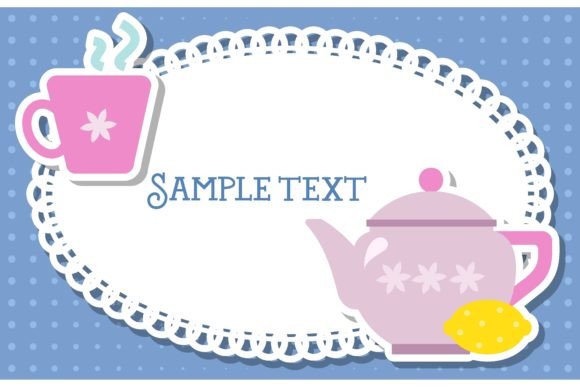
The world of design is constantly evolving, with trends shifting to reflect the values, aesthetics, and needs of contemporary audiences. One such element that has gained traction among designers, marketers, and creatives is the Cup, Teapot and Oval Decorative Napkin W—a stylized graphic composition featuring a teacup, a teapot, and an oval decorative napkin, often with space reserved for text. This design motif is more than just whimsical; it serves as a powerful visual tool across various mediums including greeting cards, postcards, invitations, ads, covers, and notes.
What Is Cup, Teapot and Oval Decorative Napkin W?
Cup, Teapot and Oval Decorative Napkin W is a cohesive set of illustrated or digitally designed elements that evoke a sense of warmth, elegance, and hospitality. The inclusion of the letter "W" in the name suggests a particular style or variation within this theme—perhaps indicating symmetry, a watermark, or a specific artistic flair. These components are typically stylized, making them ideal for both digital and print formats. They can be rendered in watercolor, flat vector art, or minimalist line drawings depending on the intended use and aesthetic preference.
This trio of objects is rich in symbolism. Cups and teapots have long been associated with comfort, conversation, and connection. The oval napkin adds a layer of refinement and practicality, often serving as a canvas for handwritten messages or printed text. Together, they form a compelling visual narrative that resonates with users looking to add charm and personality to their creative projects.
Why It's Gaining Popularity in Today’s Creative Landscape
In recent years, there has been a noticeable shift toward personalization and handcrafted aesthetics in design. People are no longer satisfied with generic templates—they want content that feels unique and tailored. The Cup, Teapot and Oval Decorative Napkin W fits perfectly into this trend by offering a classic yet customizable design framework.
Its appeal lies in its versatility. Whether you're designing a birthday card, a wedding invitation, or a promotional flyer for a boutique café, these elements can be adapted to suit the occasion. For instance, using pastel colors and floral patterns might work well for a spring-themed greeting card, while bold geometric shapes and monochrome palettes could lend a modern edge to a business ad.
Aesthetic Flexibility for Diverse Applications
Designers love motifs that can morph with context. The Teapot and Oval Decorative Napkin W combination is particularly effective when used in layered compositions. The cup and teapot provide a central focus, while the oval napkin can frame text, act as a background for a signature, or serve as a subtle accent. Its adaptability makes it a favorite among those working in branding, event planning, and social media marketing.
Consider how a blogger promoting a new tea line might use this design on Instagram. A clean layout with a flat-illustrated teacup, a steaming teapot, and a text-filled oval napkin conveys the message quickly and stylishly. Similarly, educators creating classroom materials can use this motif to make worksheets or project covers feel more inviting and engaging.
How This Design Element Reflects Changing User Habits
Modern consumers are drawn to experiences that feel authentic and thoughtful. As a result, brands and individuals alike are leaning into nostalgic and artisanal visuals. The presence of a decorative napkin in the design speaks directly to this desire—it mimics the handwritten note or the elegant table setting, both of which are seen as gestures of care and attention.
Moreover, with the rise of remote work and virtual communication, people are seeking ways to personalize digital interactions. Adding a touch of traditional charm through design elements like Cup, Teapot and Oval Decorative Napkin W helps bridge the gap between digital efficiency and human warmth. A simple email newsletter can become more memorable with a border that includes these elements, especially when the napkin space is filled with a personalized message.
Practical Uses in Marketing and Branding
For entrepreneurs and small business owners, visual consistency is key. Using the same set of design elements across different platforms—like packaging, website banners, and social media posts—creates a strong brand identity. The Oval Decorative Napkin W can be strategically placed to highlight special offers, product names, or taglines, making it a functional part of the overall branding strategy.
Marketing professionals also benefit from the simplicity and clarity of this design. Unlike overly complex illustrations, the Cup, Teapot and Oval Decorative Napkin W motif is instantly recognizable and easy to integrate into existing layouts. It works especially well in minimalist campaigns where every visual element must earn its place.
Evolving Trends in Graphic Design and Print Media
The resurgence of vintage-inspired graphics has played a major role in the growing popularity of this design element. While many trends come and go, the enduring appeal of tea-related imagery taps into a universal cultural experience. Whether you're in the UK, Japan, or the US, the image of a teacup and teapot carries emotional weight and familiarity.
Print media, too, has seen a renaissance in recent years. With the rise of boutique publishers, independent artists, and handmade products, there's a renewed interest in beautiful, tactile designs. The Cup, Teapot and Oval Decorative Napkin W is frequently used in book covers, magazine inserts, and even as part of custom packaging for specialty goods. In print, the texture and shape of the oval napkin can be enhanced with embossing or foil stamping, adding another dimension to the design.
Integration Into Digital Workflows
For digital creators, the beauty of Cup, Teapot and Oval Decorative Napkin W lies in its scalability. High-resolution vector files allow for seamless resizing without loss of quality, whether you're preparing a large poster or a mobile-friendly ad. Tools like Adobe Illustrator, Canva, and Procreate offer brushes and templates that make incorporating this motif straightforward.
Freelancers who specialize in stationery design or illustration find that this motif is highly adaptable. It can be used as a standalone feature or blended with other elements such as botanical prints, typography styles, or seasonal icons. The oval napkin, in particular, is a flexible component that supports user-generated content, making it a favorite for interactive designs like fill-in-the-blank greeting cards or DIY invitation kits.
Real-World Examples and Creative Possibilities
Let’s look at some realistic applications:
- Greeting Cards: Many independent card designers now feature this motif as a way to stand out in a saturated market. The oval napkin becomes a place for the sender’s handwritten message, while the cup and teapot suggest a cozy, intimate setting.
- Event Invitations: Wedding planners and party organizers are increasingly using these elements to create themed invites. For example, a rustic barn wedding might pair the motif with wooden textures and muted tones, while a high-end gala could opt for gold accents and serif fonts.
- Advertising Campaigns: Tea shops, cafés, and wellness brands often leverage the visual language of cups and teapots to communicate relaxation and quality. The napkin provides a natural spot for slogans, hashtags, or call-to-action phrases.
- Cover Designs: Book and journal covers benefit from the sophistication of this design. The oval napkin can house a title or subtitle, guiding the viewer’s eye and reinforcing the theme of the publication.
Recommendations for Effective Use
To get the most out of Cup, Teapot and Oval Decorative Napkin W, consider the following tips:
- Match the Style to the Audience: A playful version may work better for children’s events, while a more refined illustration suits professional or luxury contexts.
- Use the Napkin Space Strategically: Don’t treat the oval as an afterthought. Place important text or signatures there to ensure visibility and coherence.
- Experiment with Color Schemes: Try warm earth tones for a rustic vibe or cool blues and greens for a fresh, calming effect. Monochrome versions can add a timeless, elegant touch.
- Combine with Other Elements: Add leaves, steam lines, or floral borders to enhance the design without overwhelming it. Balance is key.
- Ensure Scalability: Always use vector-based files for logos and graphics so they remain crisp across all sizes and devices.
Future Outlook and Market Relevance
As lifestyle shifts continue to favor mindfulness and slower living, the relevance of tea-related design elements will likely grow. More than just a passing fad, Cup, Teapot and Oval Decorative Napkin W represents a broader movement toward designs that evoke emotion and foster connection. It’s not uncommon to see this motif used in content related to self-care, home décor, or sustainable living—all areas experiencing increased interest today.
Businesses aiming to align with these trends can use the design to craft visually appealing content that resonates with customers. From branded merchandise to digital greetings, the right application of these elements can elevate your message and reinforce your brand’s personality.
Adapting to New Technologies
With the development of AI-driven design tools and augmented reality (AR) experiences, we’re seeing new opportunities to bring traditional motifs into the digital age. Imagine a virtual tea party where guests receive AR invitations featuring a dynamic Cup, Teapot and Oval Decorative Napkin W layout that responds to their device movements or allows them to write notes directly onto the napkin. These innovations open up exciting avenues for engagement while keeping the design rooted in its original charm.
Conclusion
The Cup, Teapot and Oval Decorative Napkin W is a design asset that bridges tradition and modernity. Its ability to convey warmth, elegance, and functionality makes it invaluable in today’s fast-paced yet emotionally driven creative landscape. Whether you're a designer, marketer, educator, or hobbyist, integrating this motif into your work can help you connect with your audience on a deeper level.
By understanding its roots, current uses, and future potential, you can harness the power of this design to create content that stands out—without sacrificing authenticity or usability. So next time you're crafting an invitation, cover, or ad, consider how a cup, teapot, and a beautifully framed napkin might add just the right amount of charm and purpose to your project.