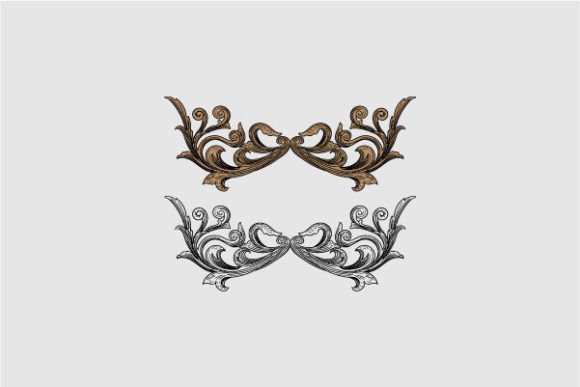
Vintage Retro Classic Decorative Baroque: Timeless Elegance in Interior Design
Vintage Retro Classic Decorative Baroque is a design aesthetic that blends the grandeur of 17th and 18th-century European Baroque art with the nostalgic charm of mid-20th century retro styles. This fusion creates a rich, ornate, and visually compelling look that appeals to those who appreciate historical depth and artistic flair in their living spaces. While Baroque design is known for its dramatic use of light, bold colors, and intricate details, the retro element introduces a sense of nostalgia through vintage furniture, classic color palettes, and antique-inspired finishes.
Understanding the Vintage Retro Classic Decorative Baroque Style
At its core, Baroque design emerged in Europe during the Renaissance period as a reaction against the restraint of Mannerism. It is characterized by elaborate ornamentation, curved forms, gilded accents, and an emphasis on movement and grandeur. The "Vintage Retro" aspect adds layers of history, incorporating pieces from the 1950s to 1970s such as mid-century modern chairs, retro lighting fixtures, or antique mirrors into the Baroque framework.
This style often features:
- Highly detailed moldings and carvings
- Rich, warm color schemes like deep reds, golds, and emerald greens
- Velvet and damask fabrics
- Gilded picture frames and decorative trims
- Statement chandeliers and ornate mirrors
- Retro furniture with classic silhouettes
The result is a space that feels both luxurious and familiar, offering a bridge between historical opulence and modern-day comfort.
Why People Are Drawn to Vintage Retro Classic Decorative Baroque
Individuals interested in Vintage Retro Classic Decorative Baroque are often looking to create a unique, personal environment that reflects their appreciation for art, history, and craftsmanship. This style allows for storytelling through design—each piece can represent a different era, yet they work together to form a cohesive narrative.
Some key reasons people choose this style include:
- Historical Appreciation: Those who love architecture, art history, or European culture may find the Baroque elements particularly inspiring.
- Nostalgia and Personality: The retro component offers a way to infuse warmth and character into a home, especially for those who grew up with or admire mid-century aesthetics.
- Artistic Expression: The blend of two distinct styles provides a canvas for creative expression, allowing homeowners to mix textures, eras, and materials in a thoughtful way.
- Timeless Appeal: Unlike fleeting trends, Baroque and retro designs have stood the test of time and continue to influence contemporary interior styles.
Benefits and Tradeoffs of Vintage Retro Classic Decorative Baroque
Adopting a Vintage Retro Classic Decorative Baroque style comes with several advantages. First, it offers a high degree of customization. Since the style is not strictly bound to one era, it allows for flexibility in sourcing materials and furnishings. Second, it can add significant visual interest and drama to a room, making it ideal for large or underused spaces. Finally, it has the potential to increase the perceived value and uniqueness of a home, especially when authentic or well-reproduced antique items are used.
However, there are also tradeoffs to consider. One major challenge is achieving balance. The Baroque elements can easily overwhelm a space if not carefully curated. Additionally, sourcing authentic or high-quality vintage and antique pieces may be expensive or difficult. Maintenance is another consideration—ornate woodwork, gilded surfaces, and delicate fabrics require more care than simpler, modern alternatives.
Key Considerations Before Committing to This Style
Before embracing the Vintage Retro Classic Decorative Baroque style, it's important to evaluate your lifestyle, budget, and long-term goals. Here are some practical insights to guide your decision:
- Space Size: This style works best in larger rooms where the scale of Baroque elements can be appreciated without feeling cramped.
- Lighting Needs: Baroque design relies heavily on contrast and shadow, so natural or layered lighting is essential to highlight the details.
- Personal Taste: If you enjoy the idea of mixing old and new, or feel drawn to rich textures and classical motifs, this style could be a perfect match. However, if minimalism or clean lines appeal to you more, it might not align with your preferences.
- Commitment to Detail: Maintaining the integrity of this style requires attention to detail in everything from furniture placement to fabric choices.
It’s also worth considering whether your current property can support such a style. Older homes with high ceilings, crown molding, and fireplaces may naturally complement Baroque elements, while newer constructions might need more effort to adapt the space accordingly.
Situations Where This Style Fits Well
Vintage Retro Classic Decorative Baroque is particularly well-suited for certain environments and lifestyles:
- Historic Homes: Properties with original architectural features benefit from the enhancement of these elements using Baroque design principles.
- Entertainment Spaces: Living rooms, dining areas, and entryways designed in this style can make a strong impression, ideal for hosting guests or showcasing personal collections.
- Personal Workspaces: Libraries or study rooms can become elegant retreats with the addition of ornate bookshelves, vintage desks, and retro lighting.
- Commercial Interiors: Cafés, boutique hotels, and art galleries often adopt this style to evoke a sense of sophistication and charm.
For those who want to create a legacy within their home—a place that feels timeless and deeply personal—this style offers an excellent foundation.
When Alternatives May Be More Practical
While the Vintage Retro Classic Decorative Baroque style has many strengths, it may not be the most practical choice in every situation. Consider the following scenarios where other design approaches might be preferable:
- Small Living Spaces: The heavy ornamentation and large-scale furniture typical of Baroque design can make small rooms feel cluttered and confined.
- Modern Lifestyles: If your daily life requires open, functional spaces, the complexity of this style may not serve your needs effectively.
- Budget Constraints: Authentic antiques and custom detailing can be costly. If cost is a limiting factor, a more streamlined or eclectic approach may be better.
- Family Dynamics: Homes with young children or pets may struggle with maintaining the pristine condition required for Baroque-style decor.
In such cases, alternatives like Mid-Century Modern, Art Deco, or even a more restrained version of the same Baroque-retro blend (often referred to as “Baroque Revival”) may offer similar charm without the maintenance burden or spatial challenges.
Practical Tips for Incorporating the Style
If you're considering integrating Vintage Retro Classic Decorative Baroque into your home, start with small, impactful changes rather than an overhaul. Focus on one area at a time, such as a single room or a feature wall. Here are some actionable tips:
- Mix Eras Thoughtfully: Combine a Baroque-style sofa with a sleek mid-century coffee table to avoid overwhelming the space.
- Layer Lighting: Use statement chandeliers but pair them with softer, ambient lighting to balance the dramatic effect.
- Invest in Key Pieces: Prioritize quality for major elements like mirrors, cabinets, and seating. These will anchor the room and justify the investment.
- Use Color Strategically: Deep jewel tones and metallic accents can enhance the richness of the style, but don’t overdo it—keep a few neutral areas to maintain harmony.
- Balance with Open Space: Even in a highly decorated room, ensure there’s enough negative space to prevent it from feeling cluttered.
Expectations and Long-Term Viability
Those who commit to this style should expect a slower, more intentional decorating process. Finding the right pieces and arranging them cohesively takes time and planning. However, the payoff is a home that feels curated, meaningful, and enduring.
In terms of long-term viability, this style remains popular among design enthusiasts due to its adaptability and timeless qualities. As trends evolve, the core elements of Baroque and retro design continue to inspire new interpretations, ensuring the style stays relevant for years to come.
Conclusion
Vintage Retro Classic Decorative Baroque is more than just a design trend—it’s a celebration of history, artistry, and nostalgia. Whether you’re drawn to the ornate beauty of Baroque architecture or the cozy familiarity of retro furnishings, this style offers a compelling way to express your taste and personality through your living space. However, it’s important to weigh the benefits against the potential challenges, especially regarding maintenance, budget, and spatial considerations.
Ultimately, the decision to pursue this style depends on your individual needs and aspirations. For those seeking a distinctive, luxurious atmosphere that tells a story, Vintage Retro Classic Decorative Baroque is a powerful and rewarding choice. For others, blending a few select elements into a more modern setting might be the ideal solution.