Medieval Key Engraving: The Art of Decorative Forge Craftsmanship
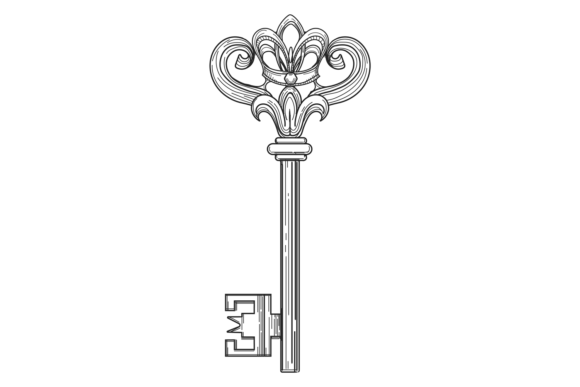
Medieval key engraving, particularly when associated with decorative forge techniques, represents a unique intersection of historical artistry and modern design. This craft involves the creation of ornate keys using traditional blacksmithing methods, often incorporating intricate engravings and symbolic motifs that reflect the aesthetics of the Middle Ages. As an art form, it has gained renewed interest among collectors, designers, and enthusiasts who appreciate its blend of functionality and visual appeal.
What Is Medieval Key Engraving?
Medieval key engraving refers to the practice of carving detailed designs into metal keys, typically those produced through forging rather than casting or machining. These keys were not only tools for security but also symbols of status and craftsmanship in medieval society. The process usually begins with shaping the key using a hammer and anvil—common elements of a decorative forge—before applying precise engravings by hand or with specialized tools.
The resulting pieces are often used today as decorative items, such as wall art, jewelry, or even custom door hardware. Unlike mass-produced keys, each piece is unique due to the artisanal nature of the work. Formats like EPS, JPG, SVG, and transparent PNG have made it easier to replicate these designs digitally, allowing for broader accessibility while maintaining the original aesthetic.
Why People Are Interested in Medieval Key Engraving
Interest in this niche art form stems from several factors. For one, it appeals to those who value historical authenticity and the tangible connection to past eras. Collectors often seek out these keys for their beauty and craftsmanship, while interior designers may use them to add a touch of vintage charm to spaces.
- Historical appreciation: Many people enjoy owning objects that reflect the artistic traditions of the medieval period.
- Customization and uniqueness: Hand-forged and engraved keys offer a level of personalization that machine-made items cannot match.
- Decorative versatility: These keys can be repurposed in various ways, from furniture accents to fashion accessories.
- Digital adaptability: High-resolution digital formats allow for easy integration into graphic design projects or online marketplaces.
Benefits of Choosing Decorative Forge Keys
Opting for a key crafted through decorative forge techniques offers distinct advantages. First and foremost, the tactile quality and visual depth achieved through forging are unmatched by other production methods. The metal retains a natural texture that adds character and authenticity.
Additionally, the ability to incorporate bespoke engravings means that each key can be tailored to specific themes or purposes. Whether it's a heraldic crest, a family sigil, or a fantasy motif, the customization possibilities are vast. For artists and craftspeople, the availability of digital assets like SVG files makes it easier to experiment with designs before committing to physical production.
Tradeoffs and Considerations
While the benefits are clear, there are some tradeoffs to consider when evaluating Medieval Key Engraving. Decorative Forge options. One of the most significant is cost. Because these items are handmade, they tend to be more expensive than standard keys. Time is another factor—crafting a single key can take hours, depending on the complexity of the design.
Another consideration is practicality. If the goal is functional key production, especially in large quantities, a decorative forge approach may not be the most efficient solution. However, for small-batch creations or purely ornamental purposes, the investment in time and money can be well worth it.
Also, when working with digital representations (like EPS or transparent PNG files), it's important to understand that these serve as templates or references. They do not replace the need for skilled artisans when producing physical items. Digital versions are ideal for design exploration or print-on-demand services but require careful handling to preserve the integrity of the original craftsmanship.
When It’s a Strong Fit
Medieval key engraving via decorative forge is a strong fit in several scenarios:
- Interior design and home décor: These keys make excellent statement pieces, especially in rustic, gothic, or fantasy-themed environments.
- Artisan markets and bespoke gifts: Custom keys can be sold at craft fairs, online stores, or given as unique, handcrafted presents.
- Graphic design and branding: The availability of high-quality vector formats (SVG, EPS) allows for scalable use in logos, patterns, or themed marketing materials.
- Historical reenactments and props: Authentic-looking keys are essential for medieval-themed events or film sets where attention to detail is crucial.
When Alternatives May Be Worth Considering
Though beautiful, decorative forge keys may not always be the best choice. Here are some situations where alternatives could be more suitable:
- Budget constraints: Mass-produced replicas or laser-engraved keys can mimic the look at a lower cost.
- Functional needs: If the key must perform a specific mechanical function reliably, traditional manufacturing processes may be preferable.
- Time-sensitive projects: Forgoes the lengthy crafting process, making machine-etched or printed keys more viable for tight deadlines.
- Modern minimalism: Some design styles prioritize simplicity and clean lines over the elaborate detailing found in medieval engravings.
Practical Insights for Decision-Making
When deciding whether to pursue or invest in Medieval Key Engraving. Decorative Forge, consider the following practical insights:
Define your purpose: Ask yourself whether the key will serve a decorative or functional role. A decorative item might justify the higher cost and time investment, whereas a functional one may not.
Evaluate the design complexity: Highly detailed engravings require more skill and time. If you're commissioning a key, discuss the level of intricacy you expect and ensure the artisan is experienced in such work.
Consider material choices: While iron and steel are traditional, other metals like brass or copper can offer different color palettes and durability levels. Each has its own maintenance requirements and aesthetic impact.
Explore digital applications: If your primary need is for design inspiration or scalable graphics, investing in high-quality digital files (JPG, SVG, etc.) may meet your goals without the need for physical production.
Assess market demand: Before purchasing or creating multiple pieces, research current trends and buyer preferences. This is especially important if you plan to sell or showcase the work commercially.
Expectations vs. Reality
It's important to manage expectations when engaging with this craft. Hand-forged keys may exhibit minor imperfections, which are part of their charm and authenticity. Replication of exact historical designs is rare due to the lack of surviving originals and the subjective interpretation by modern artisans.
Furthermore, the weight and size of these keys differ significantly from modern equivalents. What might seem heavy or cumbersome today was perfectly suited to the locks of the time. When using these keys in contemporary settings, adjustments may be necessary to suit modern tastes or functions.
Conclusion
Medieval Key Engraving. Decorative Forge is more than just a technique—it's a celebration of history, art, and individuality. Its appeal lies in the combination of old-world charm and the possibility of modern adaptation through digital formats. Whether you're a collector, designer, or simply someone intrigued by the craftsmanship, understanding the strengths and limitations of this method is key to making an informed decision.
For those seeking a truly unique and meaningful object, a forged and engraved medieval-style key can be a powerful symbol of heritage and creativity. However, for others prioritizing efficiency, affordability, or minimalism, alternative approaches may better align with their goals. Ultimately, the right choice depends on what you value most in your project or collection.