Mandala Design Ethnic Decorative Element: A Versatile Resource for Creative Professionals and Enthusiasts
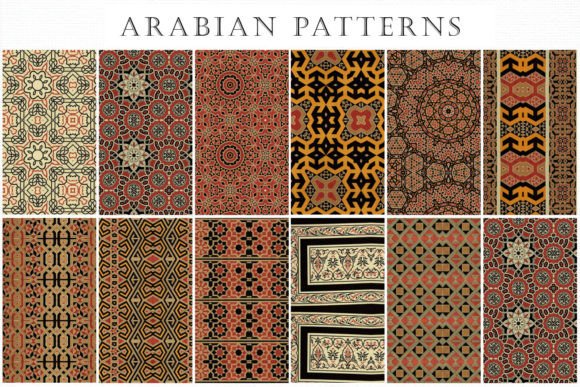
The Mandala Design Ethnic Decorative Element has emerged as a popular and versatile resource in the world of graphic design, offering intricate patterns rooted in cultural traditions. This hand-drawn backdrop combines elements from Islamic, Arabic, and Indian art to create a unique aesthetic that is both visually appealing and rich in symbolism. Whether you're an artist, educator, or business owner looking to enhance your projects with ethnic flair, these designs provide a powerful foundation.
Cultural Roots and Artistic Inspiration
At its core, the Mandala design draws inspiration from ancient spiritual and decorative practices. In Islamic and Arabic cultures, geometric shapes and floral motifs are often used to convey harmony and divine order. Meanwhile, Indian mandalas emphasize symmetry, spirituality, and the use of vibrant colors. The fusion of these artistic traditions results in a design style that is both globally recognized and culturally significant.
This blend makes the Mandala Design Ethnic Decorative Element particularly attractive for those seeking to incorporate traditional aesthetics into modern digital formats. The hand-drawn nature of the backdrop ensures authenticity while remaining adaptable to contemporary needs.
Design Features and Flexibility
The package includes 100 vector files, each meticulously crafted to represent the essence of ethnic mandala art. These files are not only scalable but also highly customizable, allowing users to modify them according to their specific requirements. Here are some key features:
- Resizability: All 100 files are resizable without losing quality, making them ideal for various applications from small icons to large banners.
- Printability: The designs are optimized for print, ensuring crisp lines and vivid colors even when scaled up.
- Color Customization: Each file allows for full color change, enabling designers to match brand palettes or personal preferences easily.
- Source File Format (EPS): Access to the original EPS format provides maximum flexibility for editing and integration into professional workflows.
Applications Across Industries
Thanks to their adaptability and visual appeal, these Mandala designs find relevance in multiple sectors. For instance, in the fashion industry, they can be used to create patterned fabrics or embroidered textiles that reflect cultural heritage. In interior design, they serve as eye-catching wall art or decorative accents that add depth and character to spaces.
Graphic Design and Branding
Graphic designers often rely on such elements to craft logos, packaging, or marketing materials that stand out. The Mandala Design Ethnic Decorative Element offers a fresh approach to branding by incorporating meaningful, hand-drawn visuals. Its multilingual and multicultural appeal makes it especially valuable for businesses targeting diverse audiences.
For example, a product launched in the Middle East could benefit from integrating Arabic-inspired geometric patterns, while an item marketed in South Asia might feature more fluid, Indian-style designs. This dual capability supports creative expression while maintaining cultural sensitivity and relevance.
Educational and Research Uses
Researchers and educators working in the fields of anthropology, art history, or cultural studies may find these files useful for illustrating historical patterns or analyzing design evolution. The detailed structure of each mandala allows for close study of symmetry, proportion, and symbolic meaning across different traditions.
In classroom settings, students can explore how these designs reflect religious beliefs, social values, and artistic techniques. Teachers can utilize the high-resolution JPG and SVG formats for presentations, posters, or interactive learning tools.
Technical Advantages for Modern Workflows
One of the standout benefits of this collection is its support for a wide range of file formats. The inclusion of Editable EPS files means professionals can tweak individual components without compromising quality. The AI file format adds another layer of compatibility with Adobe Illustrator, which is widely used in the design community.
Additionally, the PNG and JPG versions ensure that the designs can be quickly integrated into websites, mobile apps, or printed materials. With a resolution of 300dpi, the JPG files are well-suited for commercial printing, guaranteeing sharpness and clarity in every output.
Workflow Integration and Efficiency
These files streamline the design process by providing ready-to-use templates that save time while still allowing for customization. Unlike generic stock images, the Mandala Design Ethnic Decorative Element gives creators control over the final look and feel of their projects. The ability to adjust colors, scale freely, and edit vectors means that no two implementations need to look alike, fostering creativity within constraints.
Considerations for Use
While the versatility of these designs is impressive, there are several considerations to keep in mind. First, understanding the cultural context behind each motif is essential to avoid misinterpretation or misuse. Ethical design involves respecting the origins and meanings of the patterns being used.
Second, since these are hand-drawn backdrops, subtle imperfections may exist—something that contributes to their charm and authenticity. However, for projects requiring perfect precision, additional refinement may be necessary.
Lastly, proper attribution and licensing should be verified before using any of these elements in public-facing projects or commercial products. While the source files are provided for modification, usage rights depend on the terms agreed upon during download.
Real-World Examples
A wedding planner in Dubai recently used the Mandala Design Ethnic Decorative Element to create custom invitations that blended traditional Islamic architecture with floral motifs. The result was a series of elegant, culturally resonant designs that impressed clients and stood apart from mass-produced alternatives.
In another case, an educational institution in India utilized the PNG and SVG files to develop a series of illustrated textbooks focused on indigenous art forms. The clear, high-quality visuals helped students grasp complex concepts through engaging, culturally grounded examples.
Future Trends and Creative Potential
As interest in cultural authenticity continues to grow, so does the demand for design assets like the Mandala Design Ethnic Decorative Element. Emerging trends in sustainable and ethical design further highlight the value of handcrafted, culturally inspired visuals. These elements align perfectly with movements that prioritize storytelling, craftsmanship, and global representation.
Looking ahead, we may see increased use of these designs in virtual reality environments, where immersive, culturally rich visuals can transport users into new worlds. Additionally, as AI-assisted design tools evolve, having access to editable vector files will become even more critical for seamless integration and automation.
Comparisons with Other Design Resources
Compared to other decorative design collections, the Mandala Design Ethnic Decorative Element stands out due to its focus on cross-cultural motifs and its comprehensive set of file types. Many similar packages offer limited scalability or restrict color options, whereas this one prioritizes user freedom and adaptability.
Its hand-drawn origin also sets it apart from purely algorithm-generated patterns, giving it a warmth and uniqueness that resonates with both casual and professional users. For hobbyists, this means a more satisfying creative experience; for businesses, it translates to more authentic and impactful branding solutions.
Getting Started with Your Files
To begin using the Mandala Design Ethnic Decorative Element, simply open the source file in your preferred design software. Adobe Illustrator users will appreciate the AI file's compatibility, while others can work with SVG or EPS formats depending on their workflow. The PNG and JPG versions are excellent for quick prototyping or sharing online.
If you encounter any challenges or have questions about implementation, don't hesitate to reach out. I am always ready to help ensure your project achieves the best possible outcome. My goal is to make these resources accessible and effective for everyone—from seasoned professionals to beginners exploring the world of design.
Best Practices for Implementation
When incorporating these designs into your work, consider the following tips:
- Layer Awareness: Keep track of layers when editing in AI or EPS to maintain structural integrity.
- Contrast and Composition: Balance the complexity of the mandala with simpler design elements to avoid overwhelming the viewer.
- Test Prints: Always do a test print before finalizing any commercial project to confirm color accuracy and resolution.
- Contextual Relevance: Ensure the chosen mandala aligns with the cultural context of your audience to foster connection and respect.
By following these guidelines, you can maximize the potential of the Mandala Design Ethnic Decorative Element and apply it effectively in your projects.
Conclusion
The Mandala Design Ethnic Decorative Element represents a valuable intersection between tradition and technology. With 100 high-quality, hand-drawn vector files, it empowers creators to produce stunning, culturally informed designs suitable for print and digital platforms. Its adaptability, combined with rich cultural roots, makes it an asset for anyone interested in blending heritage with modernity.
Whether you're designing for a global market or preserving local traditions, this collection offers the tools needed to express creativity with purpose. As you explore its possibilities, remember that thoughtful application leads to meaningful impact. Let these designs inspire your next project and connect your audience to something timeless and beautiful.