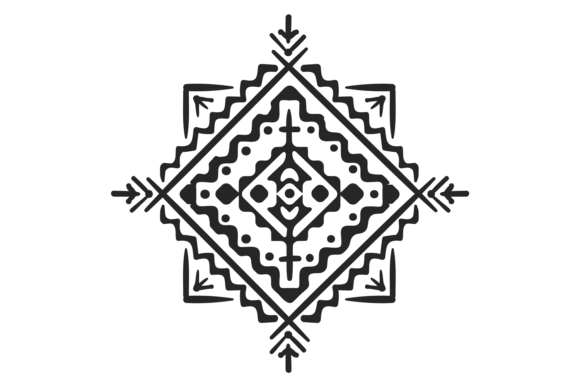
Exploring the Beauty of Ethnic Ornament: Black Decorative Nordic Square Elements
Ethnic ornamentation has long been a source of fascination and inspiration in design, art, and culture. Among the many styles that have stood the test of time, black decorative Nordic elements have gained popularity for their unique blend of simplicity, symbolism, and elegance. These motifs often take the form of intricate square designs that are not only visually striking but also rich in cultural meaning. In this article, we will explore the origins, significance, and modern applications of these black ethnic Nordic ornaments—particularly when they’re isolated on white backgrounds or rendered in formats like EPS, JPG, SVG, and transparent PNG.
What Are Ethnic Ornaments?
At their core, ethnic ornaments are decorative patterns or symbols rooted in the traditions and heritage of specific cultures or communities. They serve as visual expressions of identity, storytelling, and spiritual or historical narratives. These designs can be found in everything from clothing and architecture to jewelry and digital graphics.
The term “ethnic” refers broadly to cultural groups, and while it can sometimes carry unintended connotations, in the context of design, it is used to celebrate the diversity and uniqueness of different artistic traditions. Ethnic ornaments often reflect the values, beliefs, and aesthetics of the people who create them.
Origins of Nordic Decorative Elements
Nordic design, particularly from the Scandinavian countries (Norway, Sweden, Denmark, Finland, and Iceland), is known for its minimalism, functionality, and connection to nature. However, the decorative Nordic square element draws from an older tradition—one that blends pagan influences with Christian iconography and folk art.
- Pagan Roots: Many traditional Nordic patterns originate from ancient Norse mythology and rituals. Symbols like runes, knots, and stylized animals were once used for protection, guidance, and communication with the divine.
- Christian Influence: As Christianity spread through Scandinavia, some of these pagan symbols were adapted into religious contexts, such as church carvings and textiles.
- Folk Art Legacy: The ornamental style evolved further through rural craftspeople, who passed down techniques and motifs across generations. These elements became part of everyday life, adorning furniture, pottery, and even wedding attire.
Black Decorative Nordic Square Element: A Modern Interpretation
In contemporary design, the black decorative Nordic square element has taken on new life. Often used in graphic design, branding, and interior decoration, this motif represents a fusion of traditional craftsmanship and modern aesthetics. When presented as an isolated image on a white background, it becomes a versatile tool for designers looking to incorporate cultural depth into minimalist layouts.
This type of ornament typically features a square frame filled with geometric or symbolic patterns inspired by Viking-era art. Common themes include interlacing lines, animal figures (like stags or ravens), and abstract shapes that mimic natural forms. The use of black color adds a dramatic contrast, making these elements ideal for both print and digital media.
Why Use Isolated White Backgrounds?
Designers often prefer ethnic ornament images isolated on white backgrounds because they offer maximum flexibility. Whether you're working on a logo, website header, or packaging design, having a clean background allows the ornament to stand out and integrate seamlessly with other design components.
- Brand Identity: Companies and artists can use these elements to evoke a sense of heritage, strength, or mystery in their branding.
- Interior Design: In home decor, a black Nordic square pattern can add a touch of sophistication and cultural flair to walls, cushions, or curtains.
- Print Media: From book covers to invitations, these designs provide a timeless aesthetic that appeals to a wide audience.
Applications in Modern Life and Business
The beauty of black decorative Nordic square elements lies in their adaptability. Here’s how they fit into various aspects of modern life and business:
Graphic Design and Branding
Many businesses today seek to differentiate themselves through unique visual identities. Incorporating an ethnic Nordic square element into a logo or promotional material can help achieve just that. For example, a yoga brand might use a stylized black square with a rune-like pattern to suggest balance, harmony, and ancient wisdom.
Such elements are especially popular in the wellness and lifestyle industries, where there's a growing interest in connecting with nature and ancestral traditions. Formats like SVG and transparent PNG allow for high-quality scalability and layering, which is essential in creating professional-grade visuals.
Interior and Fashion Design
In interior design, these ornaments can be used as wall art, textile patterns, or even in custom cabinetry. Their bold black color makes them a statement piece, while the Nordic influence ensures a sense of calm and order—key tenets of Scandinavian design.
Similarly, in fashion, black Nordic square motifs can appear on scarves, bags, or even footwear. They provide a subtle yet powerful nod to cultural roots without overwhelming the design. High-resolution files in JPG or EPS make it easy to scale the design for fabric printing or embroidery.
Digital Creativity and Technology
With the rise of digital content creation, vector-based formats like EPS and SVG have become invaluable. These file types ensure that your design remains sharp at any size, whether it’s displayed on a smartphone screen or printed on large banners.
For web developers and UX designers, using a transparent PNG version of a Nordic square element allows for creative layering and animation possibilities. You could animate the pattern subtly during a website scroll or overlay it onto a background video for a cinematic effect.
Understanding Cultural Significance
While the visual appeal of these elements is undeniable, it’s important to understand their cultural significance before using them in design projects. Misinterpretation or misuse can lead to unintended offense or trivialization of meaningful symbols.
Here are some key considerations:
- Respect Tradition: Research the meanings behind the patterns you choose. Some symbols may represent protection, others may relate to fertility or the cosmos.
- Avoid Stereotypes: Don’t reduce entire cultures to simplistic or exotic imagery. Instead, look for authentic interpretations and consult sources or experts when needed.
- Balance Aesthetics with Context: While a black Nordic square element can be purely decorative, adding a brief explanation of its origin can enrich the user experience and promote cultural appreciation.
Examples of Symbolism in Nordic Patterns
Let’s take a closer look at some common symbols found in these square elements:
- Interwoven Knots: These often symbolize eternity or the interconnectedness of life. They can be seen in Viking jewelry and runestones.
- Animal Figures: Stylized depictions of wolves, bears, or birds may represent traits like courage, independence, or transformation.
- Geometric Shapes: Circles and triangles frequently appear in these designs, reflecting the balance between the physical and spiritual worlds.
How to Source and Use These Designs
If you’re interested in incorporating a black decorative Nordic square element into your work, it’s essential to source it ethically and correctly. Look for reputable design marketplaces or cultural institutions that offer high-quality files in various formats such as EPS, JPG, SVG, and transparent PNG.
When selecting an image, pay attention to the following:
- Resolution: Ensure the file is high enough resolution for your intended use—especially if you plan to print it.
- License Type: Confirm whether the design is royalty-free or requires attribution. This is crucial for commercial projects.
- Authenticity: Choose designs that are respectful and accurately represent Nordic heritage.
Tools for Customization
Once you’ve obtained a design file, you can customize it using graphic design software like Adobe Illustrator (for EPS and SVG) or Photoshop (for JPG). With vector formats, you can easily change colors, scale the design, or combine it with other elements to suit your project’s needs.
For those who aren't experienced in graphic design, online tools like Canva or Figma also support many of these file types, allowing for simple drag-and-drop integration into presentations, social media posts, or marketing materials.
Common Misunderstandings About Ethnic Ornamentation
Despite their growing popularity, ethnic ornaments—especially those with Nordic roots—are sometimes misunderstood. Let’s clarify a few common misconceptions:
Myth 1: These Designs Are Just for Historical Purposes
Reality: While they originate from ancient traditions, these patterns are very much alive in modern design. They’re used creatively in logos, apps, and websites to evoke a sense of authenticity and timelessness.
Myth 2: All Nordic Designs Are the Same
Reality: Nordic design varies significantly across regions and time periods. There are distinct differences between Swedish, Norwegian, and Icelandic styles. Each carries its own unique symbolism and visual language.
Myth 3: Using These Designs Automatically Adds “Cultural Depth”
Reality: Simply placing a black Nordic square element into a design doesn’t guarantee cultural relevance. It’s important to align the design with the message and tone of your project to avoid superficial representation.
Integrating Ethnic Ornaments into Education and Creative Projects
Educators and students can benefit greatly from exploring ethnic ornamentation. These designs can be used in history lessons, art classes, or cross-cultural studies to teach about Scandinavian heritage, symbolism, and craftsmanship.
For instance, a school project might involve analyzing the meaning behind each line and shape in a Nordic square pattern. Students could then recreate their own versions using digital tools, fostering creativity while deepening their understanding of cultural expression.
Additionally, teachers can encourage students to research the evolution of these designs over time, comparing medieval artifacts to modern reinterpretations. This approach promotes critical thinking and a more nuanced appreciation for design history.
Using Vector Files in Educational Materials
Vector-based files like EPS and SVG are particularly useful in educational settings. They can be resized without losing quality, making them perfect for posters, handouts, or interactive digital displays. Transparent PNG files also allow for seamless integration into multimedia projects or slide decks.
Conclusion
The black decorative Nordic square element is more than just an attractive design—it’s a bridge between past and present, tradition and innovation. Whether you're a designer, educator, or simply someone with an appreciation for cultural art, understanding and using these elements responsibly can enhance your work and broaden your perspective.
By choosing high-quality files in formats like EPS, JPG, SVG, and transparent PNG, and ensuring the cultural context is respected, you can bring a meaningful and elegant touch to your projects. Embrace the beauty of ethnic ornamentation, and let it inspire your next creative endeavor with authenticity and purpose.