Enhancing Your Design Workflow with the 1834 Decorative Vase With Plant Isolated
In today’s design world, visual elements play a crucial role in conveying messages, setting moods, and enhancing overall aesthetics. Whether you're working on digital illustrations, photo editing, or content creation for marketing and publishing, having access to high-quality isolated assets can streamline your workflow and elevate the final output. One such asset is the 1834 Decorative Vase With Plant Isolated, which offers a refined combination of vintage charm and natural beauty in a clean, transparent format.
What Is the 1834 Decorative Vase With Plant Isolated?
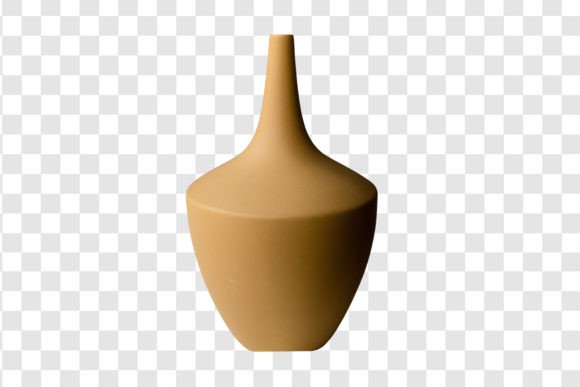
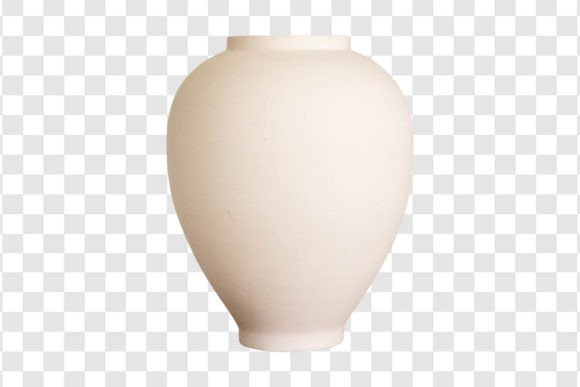
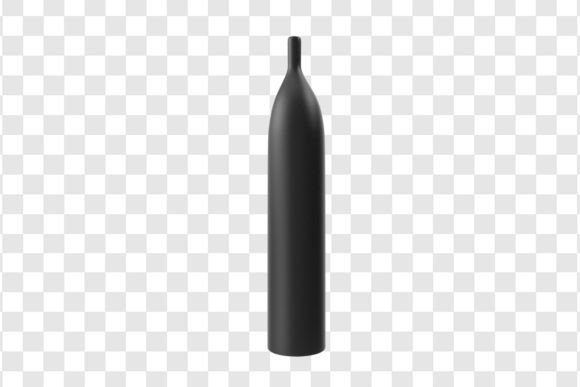
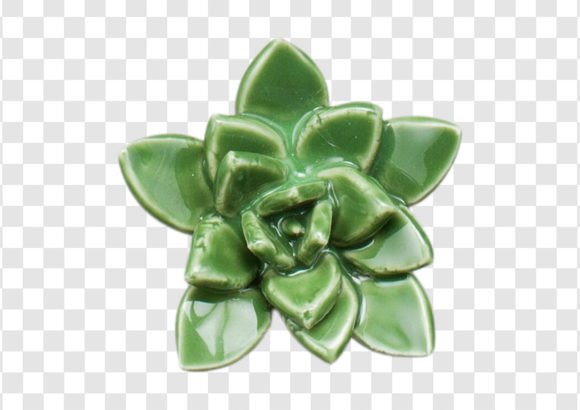
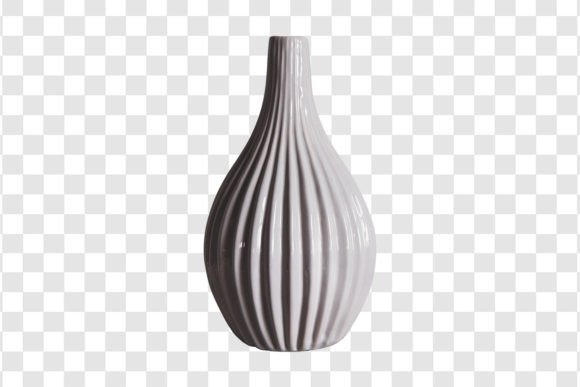
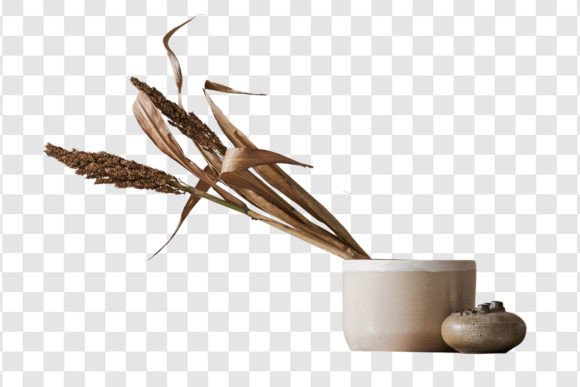
The 1834 Decorative Vase With Plant Isolated is a digitally prepared PNG file that features a beautifully rendered antique-style vase with an elegant plant composition. The image is isolated from its background, making it easy to integrate into any project without the need for additional editing like masking or cutting out. This type of asset is particularly valuable for designers who want to add a touch of sophistication or botanical flair to their compositions quickly and efficiently.
Use Cases Across Different Industries
This isolated object isn't just limited to one field—it can be adapted across multiple industries. For example:
- Interior Designers might use it to visualize how a decorative piece would look on a side table or mantel without needing a physical sample.
- Graphic Designers could incorporate it into website mockups, social media templates, or branding materials to suggest a lifestyle or aesthetic theme.
- Photographers may utilize it for product photography setups where real items aren’t available or practical.
- Bloggers and Content Creators can enhance their posts or stories by adding this element as part of a curated still life or scene.
Each scenario benefits from the flexibility and quality provided by the 1834 Decorative Vase With Plant Isolated. Its transparent background ensures seamless blending into new environments, while the historical aesthetic of the vase adds character and authenticity.
Integration Into Pre-Project Planning and Setup
Before diving into a creative project, it's essential to gather all necessary assets. Including the 1834 Decorative Vase With Plant Isolated during the planning phase allows you to map out how botanical elements will fit within your design framework. You can use it to test lighting, color schemes, and spatial arrangements in a virtual environment before investing time or resources into physical production.
For instance, when creating a home decor guide or designing a seasonal campaign for a floral shop, you can place this vase in various mockup scenarios to see how it complements other elements like textiles, furniture, or typography. By doing so early, you avoid last-minute adjustments and ensure a cohesive visual language throughout your project.
During the Creative Process: Layering and Customization
Once you've chosen your software—such as Adobe Photoshop, GIMP, or Paint Shop Pro—the 1834 Decorative Vase With Plant Isolated becomes a powerful tool for layering and customization. Since it's provided as a single PNG file with transparency, it can be layered over any background, texture, or photograph. This makes it ideal for both digital and print projects.
Here are some practical tips for using it effectively:
- Layer Blending Modes: Experiment with blending modes to make the vase appear more natural in different settings. Overlay or Soft Light can help integrate the lighting better with the surrounding layers.
- Adjustment Layers: Use adjustment layers to tweak colors, contrast, and shadows, ensuring the vase harmonizes with the rest of the design.
- Resizing and Positioning: Ensure proportions remain accurate when resizing. If you’re placing it in a living room scene, match the scale to nearby objects like books or lamps to maintain realism.
Its compatibility with major design software means you won’t have to worry about format issues or loss of quality. The PNG format preserves fine details and transparency, making it suitable for both web and print applications.
Post-Production Enhancements and Repurposing
After completing a primary project, many creators repurpose their work for secondary uses. The 1834 Decorative Vase With Plant Isolated can be reused across different platforms or even modified slightly to create variations. For example, you might adjust the hue to match a new brand identity or rotate the angle to present the vase in a different context.
This reusability not only saves time but also maintains consistency in visual storytelling. Marketers can leverage the same vase in blog headers, email templates, and social media posts to reinforce a theme subtly. Educators might include it in presentations about interior design or botany, using it as a visual aid to explain concepts like symmetry or plant care.
Workflow Efficiency and Organization Tips
To maximize efficiency, consider organizing your assets in a dedicated folder system. Name the file clearly—perhaps “1834-Vase-With-Plant-Isolated” or something similar—to ensure quick retrieval. Store it alongside other botanical or vintage-style assets so you can easily compare styles or combine them in new ways.
Additionally, keep a version history if you plan to modify the vase for different projects. This helps track changes and prevents accidental overwrites. For team-based workflows, share the file via cloud storage with proper permissions set so everyone has access without disrupting each other's edits.
Quality Control and Long-Term Use
When using the 1834 Decorative Vase With Plant Isolated, always check the resolution to confirm it meets your project requirements. High-resolution PNGs are best for print, while lower resolutions may suffice for online use. Also, verify that the edges are clean and there’s no visible clipping or stray pixels around the subject.
If you notice minor imperfections, you can use tools like the eraser or mask features in Photoshop to refine the edges. A well-edited asset ensures professional results and reflects positively on your work’s attention to detail. Over time, as your design library grows, this vase can become a staple for adding warmth and elegance to various compositions.
Real-Life Examples of Practical Implementation
Imagine you're designing a holiday-themed e-commerce landing page for a boutique selling handmade candles and diffusers. The 1834 Decorative Vase With Plant Isolated could serve as a centerpiece on a table scene, surrounded by products and soft lighting. Its vintage appearance suggests craftsmanship and tradition, aligning well with artisanal goods.
Another example: a blogger creating a cozy winter home decor post. By placing the vase on a wooden coffee table next to a mug and a book, they instantly convey a sense of comfort and style. The isolation of the asset allows for easy placement and ensures the focus remains on the curated elements rather than distracting backgrounds.
How It Complements Other Tools and Resources
This isolated object works well with a range of other design tools and resources. Pair it with stock photos of rooms, tabletops, or shelves to build realistic scenes. Combine it with lighting effects plugins or brushes to simulate ambient light or reflections. You can also use it with vector graphics to create hybrid designs that balance hand-drawn and photographic elements.
Moreover, the vase can be part of a larger collection of isolated objects. Think about grouping it with other vintage-style items like clocks, books, or teacups to create a signature aesthetic for your brand or portfolio. These groupings can then be saved as custom presets or smart objects for faster deployment in future projects.
Best Practices for Seamless Integration
Integrating the 1834 Decorative Vase With Plant Isolated into your existing workflow requires a few best practices:
- Match Lighting Conditions: Analyze the lighting direction and intensity of your background before placing the vase. Adjust brightness and shadows accordingly for a believable result.
- Consider Depth and Perspective: Use drop shadows or blur effects to give the vase a sense of depth. If your background includes perspective (like a receding wall), align the vase appropriately.
- Test on Multiple Backgrounds: Before finalizing, preview the vase on at least three different background types—solid color, textured, and photo-based—to ensure it looks good in diverse contexts.
These small but impactful steps help maintain the integrity of your design while allowing the vase to stand out naturally. They also demonstrate a thoughtful approach to integration, which is key to producing polished and professional visuals.
Conclusion: A Versatile Addition to Your Toolkit
The 1834 Decorative Vase With Plant Isolated is more than just a pretty picture—it’s a functional and adaptable asset that supports a wide array of design needs. From pre-production planning to post-editing enhancements, it plays a valuable role in helping creators achieve their goals with greater ease and precision.
By understanding how it fits into your workflow and using it thoughtfully, you can unlock new levels of creativity and efficiency. Whether you're an entrepreneur building a brand, a designer crafting a mood board, or a marketer developing campaign visuals, this isolated object is a subtle yet effective way to communicate elegance and intentionality in your work.