Doodle Watercolor Border: A Decorative Element for Creative Projects
When it comes to personalizing your creative work, the right design elements can make all the difference. One such element that has gained popularity among artists, crafters, and designers is the Doodle Watercolor Border. This decorative border style blends whimsical doodles with soft, flowing watercolor effects to create a unique visual appeal. Whether you're designing wedding invitations, baby shower cards, or bullet journal pages, these borders offer a versatile and artistic touch.
What Is a Doodle Watercolor Border?
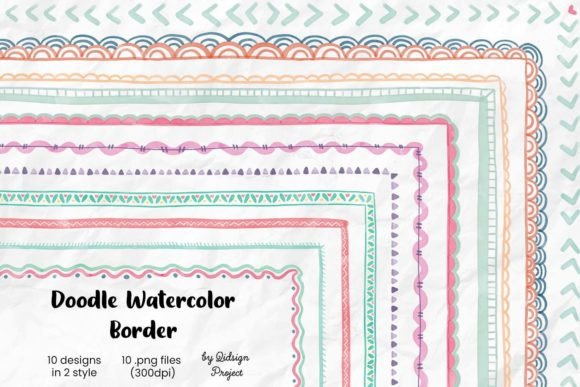
A Doodle Watercolor Border is a hand-drawn, stylized frame that features gentle curves, floral motifs, and playful sketches in a watercolor aesthetic. It often includes elements like leaves, vines, hearts, stars, or abstract patterns rendered in a soft, translucent style that mimics real watercolor painting. These borders are typically designed on a transparent background, allowing them to be layered over any color or image without clashing.
The most common versions of this border come in two styles: one with a no fill (outline only) and another with a white fill inside the rounded rectangle. Both options are ideal for different applications depending on the designer's needs and the overall theme of the project.
Key Features of Doodle Watercolor Borders
- High Resolution: Most sets include clipart at 300 dpi, ensuring crisp and clear prints even when scaled up.
- Transparent Backgrounds: These allow for seamless integration into digital and print designs.
- Rounded Rectangle Shape: The frames usually measure approximately 8.5 inches by 11 inches, making them suitable for standard paper sizes and card formats.
- Decorative Elements: Each border includes intricate doodle details and watercolor textures that add depth and charm.
- Multiple Versions: With ten different frames, users have enough variety to avoid repetition while maintaining a cohesive look across their projects.
Where Can You Use Doodle Watercolor Borders?
These borders are incredibly adaptable and can enhance a wide range of creative outputs. Here are some popular uses:
- Wedding Invitations: Add a romantic and elegant flair to save-the-date cards, RSVPs, or formal invites.
- Baby Showers: Create adorable and personalized announcements or thank-you notes with pastel tones and cute doodles.
- Card Making: From birthday cards to thank-you notes, these borders bring a handmade feel to mass-produced materials.
- Scrapbooking: Frame photos and journal entries with decorative watercolor borders to give pages more personality.
- Brochures & Flyers: Use the white-filled version to highlight sections or text blocks with a soft, professional edge.
- Business Cards: Incorporate subtle doodles for creative professionals, boutiques, or artisanal brands looking for a distinctive identity.
- Bullet Journaling: These borders serve as page dividers, section headers, or background accents in planners and journals.
- Art Prints and Zines: Perfect for adding a decorative border around illustrations, collages, or handwritten content.
- Calendars and Greeting Cards: Bring a fresh and artistic touch to seasonal or holiday-themed items.
- DIY Packaging: Wrap gifts, boxes, or envelopes with printed borders for a custom look.
Real-World Applications
Imagine creating a set of wedding invitations where each piece—save the date, invitation, seating chart—features a matching Doodle Watercolor Border. This ensures a consistent theme while giving each item a unique character based on the border chosen. Similarly, a bullet journal artist might use these borders to separate weekly spreads from monthly goals, enhancing organization through aesthetics.
In the world of card making, these borders can be paired with minimalist typography for a balance between function and beauty. For scrapbookers, they provide an easy way to frame memories with a soft, artistic edge that complements both photos and written reflections.
Who Benefits from Using These Borders?
Anyone involved in creative design can benefit from using Doodle Watercolor Borders. They’re especially useful for:
- Craft Enthusiasts: Those who enjoy making greeting cards, scrapbooks, or handmade albums.
- Graphic Designers: Professionals looking for ready-to-use, high-quality assets to streamline their workflow.
- Event Planners: Individuals who need to produce themed invitations and décor quickly and efficiently.
- Small Business Owners: Entrepreneurs wanting to personalize marketing materials, packaging, or product displays.
- Students and Educators: Teachers who create classroom materials or students working on art and design projects.
Strengths of Doodle Watercolor Borders
The primary strengths of these borders lie in their versatility and visual warmth. Unlike rigid or overly structured borders, the doodle-style elements invite creativity and playfulness. The watercolor aspect adds texture and interest, making flat designs pop without overwhelming the viewer.
Additionally, the availability of both no-fill and white-fill options means that creators can choose whether they want the border to stand out against dark backgrounds or blend subtly into lighter ones. Their high-resolution format ensures that the final output looks sharp and professional, regardless of the printing method used.
Considerations and Limitations
While Doodle Watercolor Borders are excellent for many purposes, there are a few things to keep in mind:
- Color Matching: Because of the watercolor effect, colors may appear softer or less saturated than expected. Always preview the design before finalizing.
- Use in Minimalist Designs: These borders are best suited for projects with a decorative or organic feel. They may not align well with ultra-modern or minimalist themes.
- File Compatibility: Ensure that your design software supports PNG files and transparent backgrounds if you plan to layer them over images or gradients.
- Printing Requirements: While 300 dpi is sufficient for most printers, always confirm the recommended resolution with your printing service for optimal results.
Despite these limitations, the benefits often outweigh the considerations, especially for those seeking a handmade yet polished look in their creations.
Practical Tips for Using These Cliparts
To get the most out of your Doodle Watercolor Borders, consider the following tips:
- Layer Smartly: Use the no-fill border over colored backgrounds or photographs, and the white-fill border on darker or patterned papers.
- Customize Colors: If possible, adjust the hues of the border to match your project’s color scheme for a more personalized result.
- Combine with Other Assets: Pair the borders with matching doodle icons, fonts, or illustrations to maintain a cohesive design language.
- Test Print: Before large-scale printing, test how the borders look when printed on your preferred paper stock and under various lighting conditions.
How to Choose the Right Border for Your Project
Selecting the perfect Doodle Watercolor Border depends on several factors. Start by considering the purpose of your project. Are you aiming for something formal or casual? Do you need the border to stand out or blend in?
If you're designing a business card, a simpler border with fewer doodles may be better to avoid clutter. On the other hand, a scrapbook layout could embrace a more detailed border to complement the photos and journaling.
Also think about the target audience. A border with flowers and vines might resonate more with a baby shower invitation, while a more abstract doodle could suit a modern art zine. Evaluate the mood and tone you want to convey, and choose a border that aligns with it.
Evaluating Suitability for Different Needs
For general consumers, these borders are user-friendly and require little technical skill to apply. Simply download the .PNG file and insert it into your favorite design tool. For professionals, the ability to customize and scale makes them a valuable asset in a design toolkit.
When assessing suitability, ask yourself:
- Does the border style match the overall theme of my project?
- Is the size appropriate for my intended use (e.g., letter-sized paper or business card dimensions)?
- Will the transparent or white-fill option work best with my background choices?
- Am I comfortable adjusting the design if needed, or do I prefer it as-is?
By answering these questions, you can determine whether the Doodle Watercolor Border will enhance your project or require additional tweaks to fit your vision.
Enhancing Creativity with Decorative Borders
One of the joys of using Doodle Watercolor Borders is the freedom they offer to express individuality. These borders don’t just frame your content—they become part of the storytelling process. A delicate vine border can evoke nature and growth, while a border filled with geometric doodles may suggest structure and creativity.
Moreover, because there are ten different frames included, you can rotate them across multiple designs to keep things interesting. This is particularly helpful when creating flyers for events or compiling a series of greeting cards for a client or loved one.
Integrating into Digital and Print Workflows
Using these cliparts in digital projects is straightforward. Open your design software (such as Adobe Photoshop, Illustrator, or free tools like Canva), import the border, and position it as needed. The transparent background allows for easy alignment with other design elements.
For print projects, ensure that your printer settings are configured for high-resolution images and that the border isn't clipped during the trimming process. Some designers also recommend using bleed zones to prevent unwanted white edges after cutting.
Conclusion
The Doodle Watercolor Border is more than just a decorative frame—it’s a design tool that brings warmth, character, and consistency to a wide array of creative projects. Whether you're crafting a heartfelt invitation, organizing a bullet journal, or preparing a promotional brochure, these borders offer a practical and beautiful solution.
With ten distinct designs, two fill options, and a high-quality 300 dpi format, they cater to both casual hobbyists and seasoned professionals. By understanding their features and evaluating their suitability for specific tasks, you can unlock new possibilities in your design work and elevate everyday creations into something truly special.